
news
David Sanov: Life, Career, Family, and Lasting Legacy

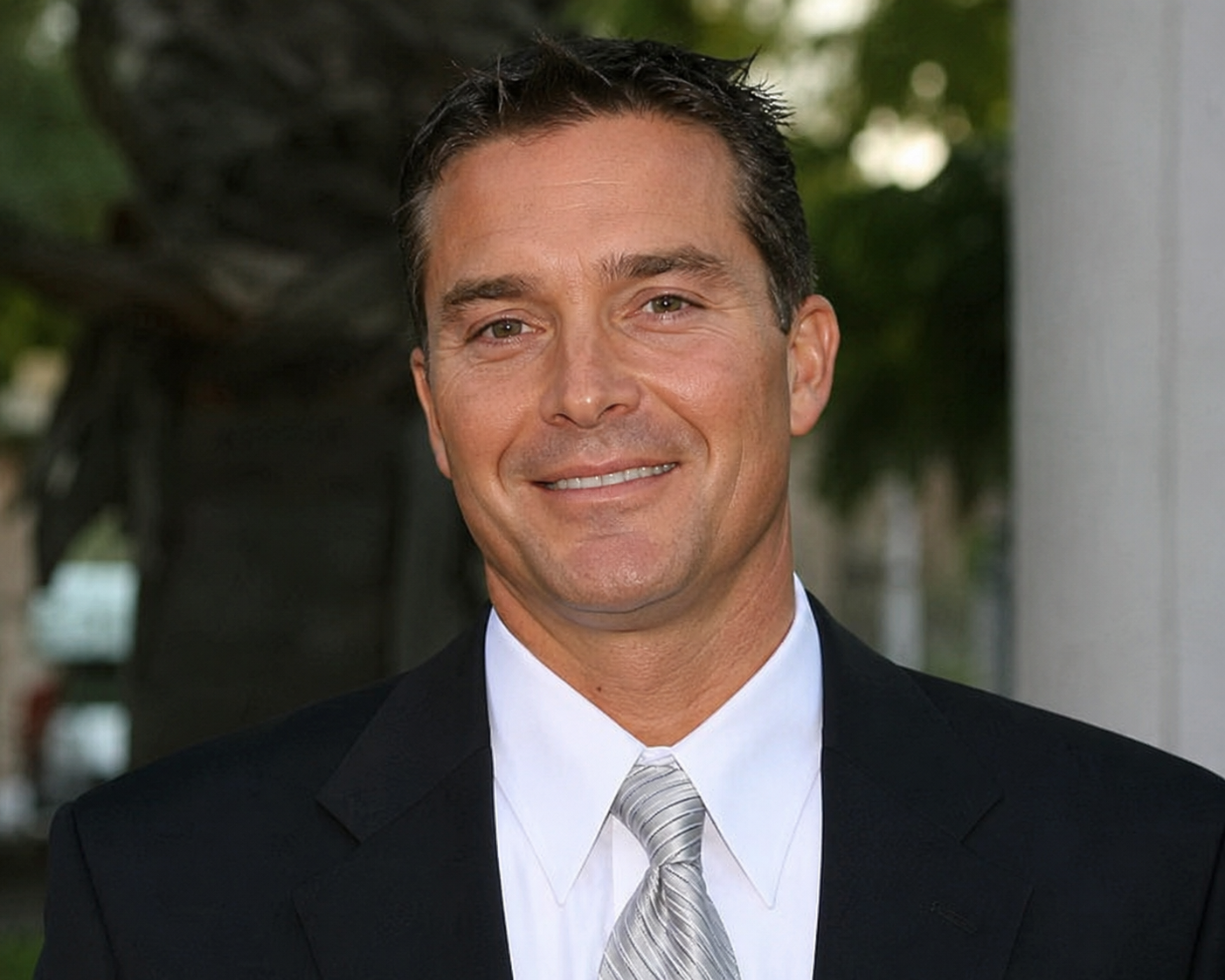
When people search for David Sanov, they are often curious about the man who has successfully balanced a life of public service with a private family life. Although he is widely recognized as the husband of actress and television personality Alison Sweeney, David Sanov has built an impressive identity through his own achievements.
A former California Highway Patrol officer, devoted husband, loving father, and respected member of his community, David Sanov has become an example of dedication, integrity, and commitment. Unlike many individuals connected to Hollywood, he has maintained a low profile and focused on the things that matter most to him—family, service, and personal values.
This comprehensive guide explores David Sanov’s early life, education, career, marriage, family, achievements, and the lessons people can learn from his inspiring journey.
Who Is David Sanov?
David Sanov is a retired law enforcement officer best known for his long career with the California Highway Patrol (CHP) and for being the husband of actress Alison Sweeney. He gained public attention through his marriage, but his professional accomplishments stand on their own. He dedicated nearly three decades of his life to public safety and community service.
Over the years, Sanov has earned admiration for maintaining a grounded lifestyle despite being connected to the entertainment industry. His story demonstrates that success is not always measured by fame but also by dedication, responsibility, and strong personal values.
Early Life and Background
Growing Up in California
David Sanov was born and raised in California, United States. Although he has kept many details about his childhood private, available information suggests he grew up in a supportive environment that encouraged discipline and hard work.
Unlike many public figures, Sanov has rarely discussed his upbringing in interviews. This preference for privacy has remained a consistent characteristic throughout his life.
Childhood Interests
During his school years, David reportedly enjoyed sports and physical activities. He participated in athletics and developed qualities such as teamwork, discipline, and perseverance that would later benefit him in his law enforcement career.
These early experiences helped shape his strong work ethic and commitment to excellence.
Education and Academic Journey
School Years
David Sanov attended school in California, where he actively participated in sports and extracurricular activities. Friends and classmates reportedly viewed him as hardworking and focused.
His educational experiences laid the foundation for future success by teaching responsibility and leadership skills.
University Education
After completing high school, David attended the University of California, Irvine, where he graduated in 1994. His college education provided valuable knowledge and preparation for a career in public service.
His academic achievements reflected his determination to build a stable and meaningful future.
Beginning a Career in Law Enforcement
Choosing Public Service
Rather than pursuing entertainment or business opportunities, David Sanov chose a path dedicated to helping others. He entered law enforcement and eventually joined the California Highway Patrol.
This decision demonstrated his commitment to public safety and community well-being.
Joining the California Highway Patrol
The California Highway Patrol is one of the most respected law enforcement agencies in the United States. Officers are responsible for highway safety, traffic enforcement, emergency response, and assisting motorists.
David Sanov embraced these responsibilities and worked diligently throughout his career. His professionalism earned respect among colleagues and community members alike.
David Sanov’s Career Achievements
Nearly Three Decades of Service
One of David Sanov’s most impressive accomplishments was his lengthy career with the California Highway Patrol.
Reports indicate that he served for approximately 27 years before retiring in 2022. During that time, he contributed significantly to public safety efforts throughout California.
Daily Responsibilities
As a highway patrol officer, Sanov handled numerous responsibilities, including:
- Traffic law enforcement
- Accident response
- Emergency assistance
- Public safety operations
- Community engagement
These duties required courage, discipline, and quick decision-making.
Professional Reputation
Law enforcement careers can be demanding and stressful. David Sanov built a reputation for professionalism, reliability, and dedication throughout his years of service.
His commitment to serving others became one of the defining aspects of his life story.
Meeting Alison Sweeney
A Childhood Connection
One of the most interesting aspects of David Sanov’s life is his long-standing connection with Alison Sweeney.
Their families reportedly knew each other when they were young, giving them a unique foundation that would eventually grow into a lasting relationship.
Reconnecting as Adults
Although they knew each other during childhood, their romantic relationship developed later in life. After reconnecting as adults, they discovered a strong connection and shared values.
Their relationship quickly became serious and eventually led to marriage.
Marriage to Alison Sweeney
Wedding Day
David Sanov and Alison Sweeney married on July 8, 2000. Their wedding marked the beginning of one of Hollywood’s most enduring marriages.
While many celebrity marriages struggle under public attention, David and Alison have built a relationship based on trust, communication, and mutual respect.
Building a Strong Partnership
The couple has often emphasized the importance of:
- Open communication
- Shared goals
- Mutual support
- Family commitment
- Quality time together
These principles have helped them maintain a healthy relationship for more than two decades.
Family Life
Raising Two Children
David and Alison are proud parents of two children:
- Benjamin Sanov
- Megan Sanov
Their family has remained a central focus throughout their marriage.
Prioritizing Family Values
Despite Alison’s demanding entertainment career and David’s law enforcement responsibilities, they consistently prioritized family life.
They worked together to create a stable and supportive environment for their children.
Parenting Philosophy
Reports suggest the couple values:
- Respect
- Responsibility
- Education
- Kindness
- Personal growth
These principles have guided their approach to parenting and family life.
Life Away from Hollywood
Maintaining Privacy
One of the most remarkable things about David Sanov is his commitment to privacy.
While many celebrity spouses seek media attention, David has largely stayed out of the spotlight.
Avoiding Celebrity Culture
Even though he is married to a well-known television personality, Sanov has focused on his own career and family responsibilities rather than public recognition.
This decision has contributed significantly to his positive reputation.
David Sanov’s Interests and Hobbies
Aviation
One of David Sanov’s notable interests is aviation. He has reportedly become a licensed pilot and has participated in volunteer flying activities.
His passion for flying demonstrates his willingness to continuously learn and develop new skills.
Outdoor Activities
David enjoys spending time outdoors and participating in activities such as:
- Fishing
- Traveling
- Family adventures
- Recreation activities
These hobbies help him maintain balance and enjoy quality time with loved ones.
Volunteer Service
Even after retirement, Sanov has remained involved in helping others through volunteer efforts, including aviation-related charitable work.
Retirement and Life After Law Enforcement
Ending an Accomplished Career
After nearly 27 years of service, David Sanov retired from the California Highway Patrol. His retirement marked the conclusion of an impressive chapter dedicated to public safety.
New Opportunities
Retirement has allowed him to:
- Spend more time with family
- Pursue personal interests
- Travel
- Volunteer
- Support charitable causes
His post-retirement life reflects the same values of service and family commitment that defined his career.
Why People Admire David Sanov
Dedication
David Sanov devoted decades to protecting and serving his community.
Humility
Despite his connection to celebrity culture, he has remained grounded and humble.
Family Commitment
His long-lasting marriage and dedication to his children demonstrate strong family values.
Integrity
Throughout his career and personal life, Sanov has earned respect through honesty, responsibility, and professionalism.
Lessons We Can Learn from David Sanov
Success Isn’t Always About Fame
David Sanov’s life shows that meaningful success can come from service, responsibility, and personal integrity rather than public recognition.
Strong Relationships Require Effort
His long marriage illustrates the importance of communication, respect, and commitment.
Balance Is Important
Sanov successfully balanced career responsibilities with family life.
Continuous Growth Matters
Whether through law enforcement, aviation, or volunteer work, he has continued learning and contributing throughout his life.
David Sanov’s Public Image
A Positive Reputation
Unlike many public figures who frequently appear in headlines, David Sanov is known primarily for positive reasons:
- Professional service
- Family values
- Community involvement
- Long-term marriage
Role Model Qualities
Many people view him as an example of:
- Reliability
- Loyalty
- Discipline
- Responsibility
These qualities continue to inspire admiration among those who learn about his story.
The Lasting Legacy of David Sanov
David Sanov’s legacy extends beyond his connection to a famous actress. His life reflects dedication to public service, commitment to family, and respect for personal values.
His nearly three decades with the California Highway Patrol demonstrate professional excellence, while his long marriage and family life showcase personal success.
In a world often focused on fame and attention, David Sanov reminds us that character, service, and integrity remain among the most valuable achievements a person can attain.
Conclusion
David Sanov is far more than the husband of Alison Sweeney. He is a retired California Highway Patrol officer, devoted father, loving husband, licensed pilot, and respected community member. Throughout his life, he has demonstrated the importance of dedication, humility, and family values.
His story proves that true success is not always measured by celebrity status but by the positive impact we have on others. Whether through decades of public service, a strong marriage, or community involvement, David Sanov has built a life worth admiring.
As interest in David Sanov continues to grow, his journey remains a powerful example of integrity, commitment, and meaningful achievement.
FAQs
1. Who is David Sanov?
David Sanov is a retired California Highway Patrol officer best known as the husband of actress Alison Sweeney.
2. When did David Sanov marry Alison Sweeney?
David Sanov married Alison Sweeney on July 8, 2000.
3. How many children do David Sanov and Alison Sweeney have?
They have two children, Benjamin and Megan Sanov.
4. What was David Sanov’s profession?
He worked as a California Highway Patrol officer and served for approximately 27 years before retiring.
5. What is David Sanov known for besides being Alison Sweeney’s husband?
He is recognized for his law enforcement career, commitment to public service, family values, volunteer work, and private lifestyle.

Sehmeres is an uncommon search term that creates curiosity because its meaning is not immediately clear. People searching for sehmeres are usually looking for identification, explanation, or context rather than a simple definition. Current search results do not show a single universally accepted meaning, making careful investigation more important than guessing.
This guide explores what sehmeres may represent, why unusual keywords appear online, how to research them correctly, and what mistakes to avoid when trying to understand unfamiliar terms.
Sehmeres Quick Facts
| Question | Answer |
|---|---|
| Is sehmeres a common dictionary word? | No widely recognized standard definition is currently established. |
| Does sehmeres have one confirmed meaning? | Not from available evidence; context is required. |
| Could sehmeres be a typo? | Yes, this is one possible explanation. |
| Could it be a name, username, or brand? | Yes, unusual terms are often created for digital identities. |
| Best way to understand it | Find the original source where the term appeared. |
What Does Sehmeres Mean?
The exact meaning of sehmeres cannot be confirmed without additional context. Unlike established words that have dictionary entries and consistent usage, sehmeres appears to be a rare or context-dependent term.
When a search query contains an unusual word, there are several possibilities:
- It may be a spelling mistake.
- It may be a username or online identity.
- It may be a new brand or project name.
- It may be a transliterated word from another language.
- It may come from incorrectly scanned or converted text.
A reliable explanation should separate confirmed information from assumptions.
Why Is Sehmeres Difficult to Define?
Limited Online Usage
Common words usually have many independent references, including dictionaries, articles, academic sources, and everyday examples.
Rare terms like sehmeres often lack these signals. When search information is limited, a single webpage should not automatically be considered authoritative.
Possible Digital or Text-Recognition Errors
Some unusual search terms appear because of errors in digital processing.
Examples include:
- Optical character recognition mistakes from scanned documents.
- Incorrect subtitles in videos.
- Automatic translations.
- Typing errors.
- Autocorrect changes.
A strange spelling does not always represent a real standalone word.
Possible Explanations for Sehmeres
1. Sehmeres Could Be a Misspelling
One of the most common reasons for unusual searches is a simple spelling variation.
A person may have:
- Heard a word but never seen it written.
- Copied text incorrectly.
- Typed letters in the wrong order.
- Used a different spelling from another language.
The correct approach is to examine where the word was found before deciding what it means.
2. Sehmeres Could Be a Username or Online Name
Modern internet culture creates thousands of unique names every day.
A term like sehmeres may function as:
- A social media handle.
- A gaming identity.
- A creator name.
- A community nickname.
- A personal brand.
If the term appears after an “@” symbol or inside a profile link, it is more likely to represent an identity rather than a traditional word.
3. Sehmeres Could Be a Brand or Project Name
Businesses and digital products often use invented names.
A company name does not always need a dictionary meaning. Many brands choose unique combinations of letters to create a memorable identity.
Look for surrounding words such as:
- Official website
- App
- Download
- Login
- Pricing
- Services
- Store
These clues can reveal whether sehmeres refers to a product or organization.
4. Sehmeres May Be Related to Another Language
Some words change significantly when written using the Latin alphabet.
Transliteration can create multiple spellings for the same original term. A word from Arabic, Persian, Urdu, Turkish, or another language may appear differently depending on pronunciation and regional spelling.
Without knowing the source language, assigning a definite meaning can lead to incorrect conclusions.
How to Find the Real Meaning of Sehmeres
Step 1: Check Where You Found the Word
The source provides valuable clues.
Ask:
- Was it on a website?
- Did it appear in a video?
- Was it part of a username?
- Did it come from a document or image?
- Was it mentioned in a conversation?
Context often solves what a dictionary cannot.
Step 2: Search More Than the Single Word
Instead of searching only:
sehmeres
try combinations such as:
"sehmeres" meaning"sehmeres" website"sehmeres" username"sehmeres" app"sehmeres" + the nearby word
Adding context improves accuracy.
Step 3: Examine Spelling and Capitalization
Small details matter.
Compare:
- sehmeres — could be a general search term.
- Sehmeres — could suggest a name, company, or title.
Capitalization, punctuation, and surrounding text can change interpretation.
Common Mistakes When Researching Sehmeres
Creating a Meaning Without Evidence
A common mistake is inventing a definition simply because a keyword is unfamiliar.
Good research accepts uncertainty when proof is unavailable.
Trusting the First Search Result
Search rankings do not always equal accuracy.
For rare keywords, evaluate:
- Source credibility.
- Supporting evidence.
- Original references.
- Transparency about uncertainty.
Confusing Similar-Looking Words
Words that look alike are not necessarily connected.
A few shared letters do not prove a relationship between terms. Always verify the origin before linking meanings.
SEO Insights: Why Sehmeres Is an Interesting Keyword
From an SEO perspective, sehmeres represents a discovery-focused search intent.
The searcher is likely asking:
- “What is this?”
- “Where did this term come from?”
- “Is this a person, brand, or concept?”
- “Did I spell it correctly?”
A helpful page should not force a false definition. Instead, it should provide a structured investigation that helps readers reach the correct answer.
This approach supports trust because it prioritizes accuracy, evidence, and user satisfaction.
Frequently Asked Questions About Sehmeres
Is sehmeres a real word?
Sehmeres appears to be a real search term, but it does not currently have a widely recognized universal definition.
Is sehmeres a name?
It could be. Unusual spellings are often used for usernames, brands, characters, or personal identities.
Is sehmeres a typo?
Possibly. The intended word may depend on where the term was originally seen.
How can I discover what sehmeres means?
Find the original source, examine nearby words, check spelling variations, and look for reliable references.
Should I trust websites that define sehmeres?
Only if they provide evidence. A strong explanation should show how the meaning was verified rather than simply repeating unsupported claims.
Final Conclusion
Sehmeres remains an unusual and context-dependent keyword rather than a term with one confirmed public meaning. The most effective way to understand sehmeres is to investigate its source, surrounding information, and possible origins instead of accepting unsupported definitions.
When dealing with rare search terms, accuracy matters more than certainty. By checking context and verifying evidence, you can discover whether sehmeres refers to a name, typo, brand, translation, or something else entirely.
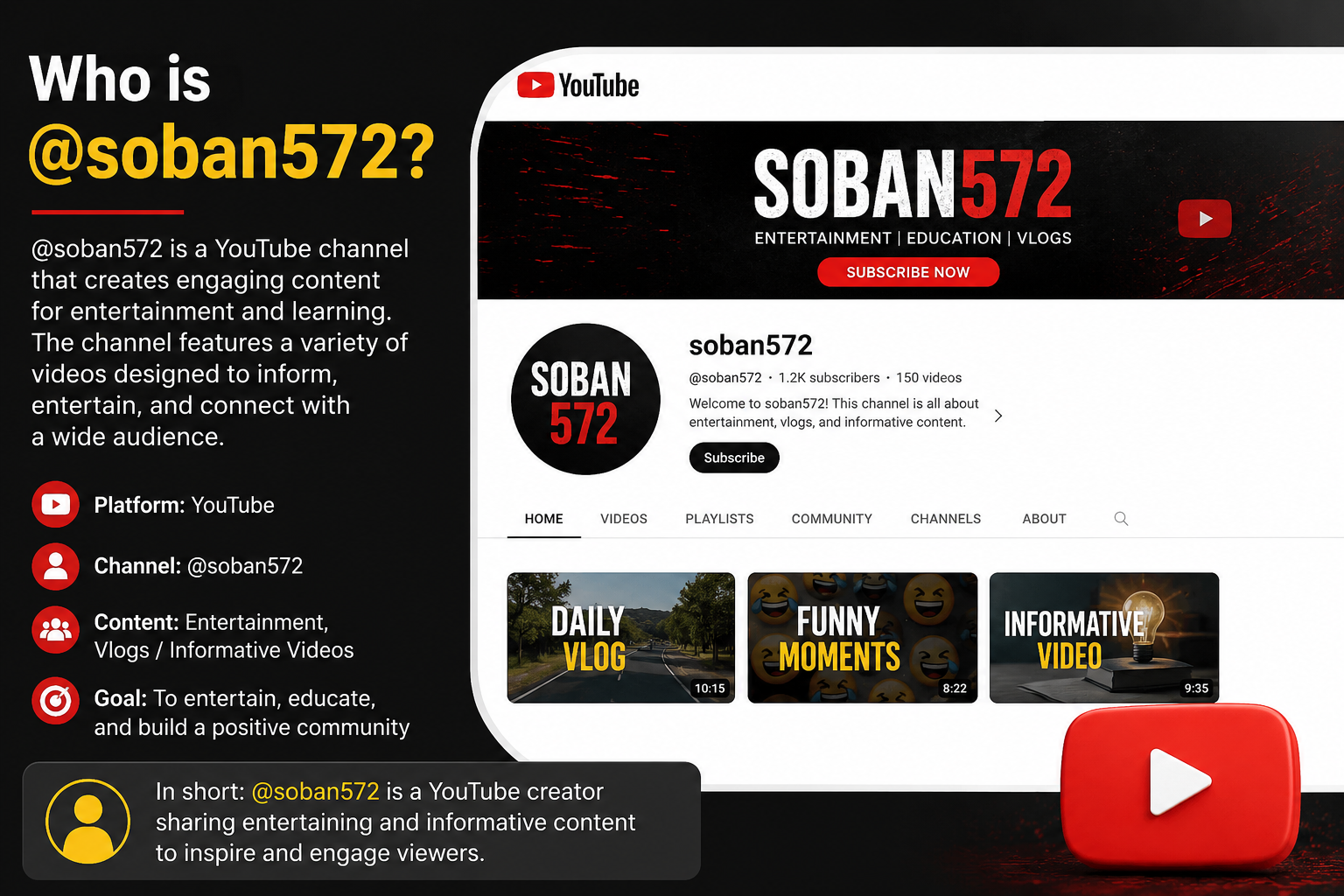
If you are searching for who is www.youtube.com/@soban572, you are likely trying to identify the person or creator behind the YouTube handle @soban572 and understand what they do online. Public search results provide limited direct information about the YouTube channel, so it is important to separate verifiable facts from assumptions.
What Is @soban572?
@soban572 is a YouTube handle that identifies a specific channel or creator on YouTube. A YouTube handle is a unique identifier that can be used to find and mention a channel.
However, the handle itself does not necessarily reveal the creator’s full name, profession, location, or background. Those details should only be attributed to the account owner when they are publicly confirmed through reliable sources.
Who Is Behind www.youtube.com/@soban572?
At present, publicly indexed search results do not provide enough reliable information to confidently establish the real-world identity of the person behind www.youtube.com/@soban572.
There is, however, a potentially relevant public reference to the username @Soban572 on Freelancer, where an account associated with Pakistan submitted a proposal for a website-design project.
This may be the same person as the YouTube creator, but there is not enough evidence to state that they are definitely the same individual.
Why the distinction matters
Online usernames can be shared or reused by different people. A matching username alone is not proof of identity.
For an accurate profile, look for information that connects the accounts directly, such as:
- A YouTube channel description linking to the person’s professional profile
- Matching social-media accounts
- A personal website listed on both profiles
- Consistent name and biography information
- Videos in which the creator identifies themselves
What Can You Learn From the YouTube Channel?
If the channel is publicly accessible, the most useful information to examine includes:
- Channel name — The displayed name may be different from the handle.
- About section — This can reveal the creator’s stated interests or profession.
- Video titles — A useful indicator of the channel’s main subject.
- Upload history — Helps establish whether the account is active.
- Featured links — These can connect the channel to other verified profiles.
- Audience engagement — Comments and recurring topics may provide additional context.
These details are more reliable than trying to identify someone solely from a username.
Is @soban572 a Freelancer or Web Designer?
There is a public Freelancer listing showing @Soban572 responding to a website-design project and describing their skills as matching the project requirements.
That provides evidence that an account using this username has presented itself in a web-design/freelancing context.
Nevertheless, it would be inaccurate to claim that this definitively identifies the owner of the YouTube channel unless the two profiles can be directly connected.
How to Verify the Creator
If you want to determine who www.youtube.com/@soban572 actually belongs to, use this verification process:
1. Check the YouTube About page
Look for a real name, business name, location, website, or social links voluntarily provided by the creator.
2. Compare external profiles
Search the exact handle on professional and social platforms. Pay particular attention to profile photos, biographies, websites, and linked accounts.
3. Check older videos
Older uploads can reveal the creator’s niche, professional interests, or publicly stated identity.
4. Look for cross-links
The strongest evidence is when the YouTube channel itself links to another account—or another account explicitly links back to the YouTube channel.
5. Avoid unsupported identity claims
Do not assume that a username, country, photograph, or similar profile proves that two accounts belong to the same person.
Quick Facts About @soban572
| Detail | What can currently be established |
|---|---|
| Platform | YouTube |
| Handle | @soban572 |
| Channel URL | www.youtube.com/@soban572 |
| Creator’s verified real name | Not established from the available public results |
| Public professional reference | A Freelancer profile using @Soban572 appears in search results |
| Possible profession | Web design/freelancing context is publicly associated with the matching username |
| Confirmed connection between profiles | Not established |
Why Search Results May Be Limited
Smaller or newer YouTube channels may have little information indexed outside YouTube. Search engines can also return unrelated pages when a username is relatively uncommon.
For that reason, the YouTube channel’s own public information should be treated as the primary source when determining its identity and purpose.
Final Verdict: Who Is www.youtube.com/@soban572?
So, who is www.youtube.com/@soban572? The account is a YouTube channel identified by the handle @soban572, but the available public evidence is not sufficient to confidently identify its owner by full name.
A matching @Soban572 username appears in public Freelancer search results in connection with website-design work, including a profile associated with Pakistan. However, this should be considered a possible connection rather than confirmed identity unless the YouTube account itself provides additional verification.
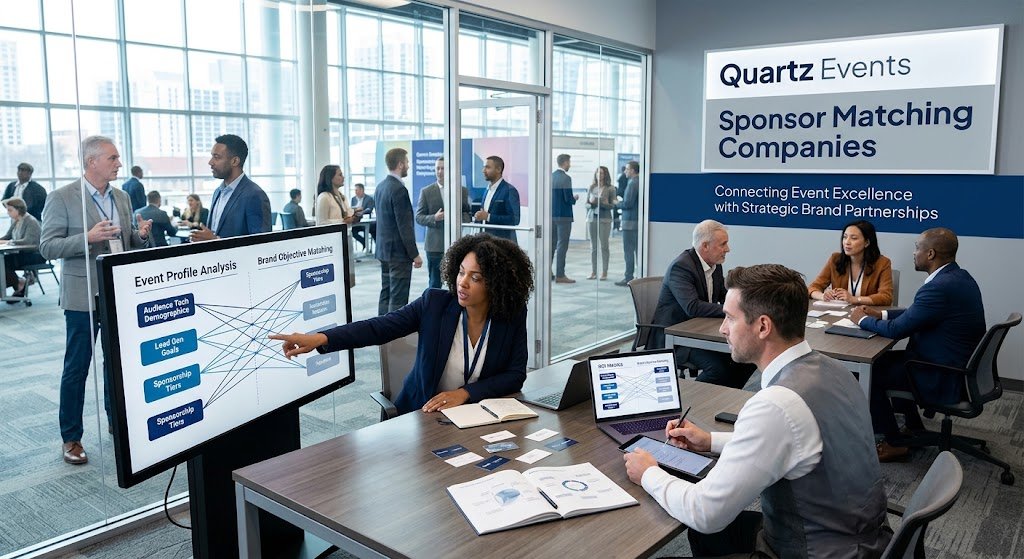
The keyword quartz events sponsor matching companies indicates a commercial investigation and guide-focused search intent. Users are likely looking for platforms, agencies, or strategies that help match Quartz events with relevant sponsors rather than simply learning what event sponsorship means.
They want practical answers:
- Which companies can help find sponsorship opportunities?
- How does sponsor-event matching work?
- What makes a sponsor partnership successful?
- How can organizers improve sponsorship revenue?
- What should brands evaluate before investing in an event?
A valuable resource must go beyond definitions and explain the decision-making process behind successful sponsor matching.
Quick Facts: Quartz Events Sponsor Matching Companies
| Factor | Key Insight |
|---|---|
| Primary purpose | Connect events with brands seeking targeted sponsorship opportunities |
| Best users | Event organizers, conference producers, associations, and marketing teams |
| Main benefit | Faster identification of relevant sponsors |
| Success driver | Strong alignment between audience, brand goals, and event objectives |
| Common mistake | Choosing sponsors based only on budget instead of strategic fit |
What Are Quartz Events Sponsor Matching Companies?
Quartz events sponsor matching companies are organizations, platforms, or service providers that help identify connections between event organizers and potential sponsors.
These companies use audience data, industry relationships, sponsorship marketplaces, and partnership strategies to create stronger matches between events and brands.
The goal is not simply finding any sponsor. The goal is finding sponsors that benefit from reaching a specific audience while providing meaningful value to attendees.
A successful match considers:
- Event audience demographics
- Brand objectives
- Industry relevance
- Sponsorship budget
- Marketing goals
- Long-term partnership potential
How Sponsor Matching Works for Quartz Events
1. Event Profile Development
The process begins by creating a detailed event profile.
Professional sponsor matching companies typically analyze:
- Event theme and industry focus
- Expected attendance
- Audience purchasing power
- Geographic reach
- Digital engagement opportunities
- Media exposure potential
A clearly defined event profile makes it easier to attract sponsors that see measurable business value.
2. Sponsor Identification and Research
Sponsor matching providers research companies that align with the event’s audience and objectives.
Strong matches often come from businesses looking to:
- Increase brand awareness
- Generate qualified leads
- Enter new markets
- Build industry authority
- Connect with decision-makers
For example, a technology conference may attract software companies, cybersecurity firms, cloud providers, or professional service organizations because the audience directly supports their marketing goals.
3. Partnership Evaluation
Not every interested company is a good sponsor.
Professional matching requires evaluating:
| Evaluation Area | Important Questions |
|---|---|
| Audience fit | Does the sponsor want to reach this audience? |
| Brand alignment | Do both organizations share compatible values? |
| Activation potential | Can the sponsor create meaningful attendee experiences? |
| Financial capability | Can the company support the sponsorship level required? |
| Long-term value | Could this become an ongoing partnership? |
Why Companies Use Quartz Events Sponsor Matching Companies
Faster Access to Qualified Sponsors
Finding sponsors manually can require months of outreach, research, and negotiation.
Matching companies reduce this workload by providing:
- Existing brand relationships
- Industry databases
- Sponsorship expertise
- Partnership recommendations
This allows event teams to focus more on event execution.
Better Sponsorship ROI
A sponsor relationship succeeds when both sides receive measurable value.
Matching specialists help improve ROI by connecting events with companies that already have a reason to participate.
Benefits include:
- Higher-quality sponsorship conversations
- Better audience relevance
- Increased renewal opportunities
- More effective sponsorship packages
Professional Sponsorship Strategy
Many events fail to maximize sponsorship revenue because they sell packages instead of solutions.
Experienced matching companies help reposition sponsorship as a business partnership.
Instead of offering:
“Logo placement on event materials”
A stronger approach becomes:
“Access to 5,000 industry professionals through targeted networking, thought leadership, and digital engagement opportunities.”
How to Choose the Right Sponsor Matching Company
Evaluate Industry Experience
The best sponsor matching provider understands your event category.
Look for experience in:
- Conferences
- Trade shows
- Corporate events
- Virtual events
- Industry summits
- Community events
A provider with relevant experience will understand sponsor expectations and market pricing.
Review Their Matching Process
Ask potential providers:
- How do they identify sponsors?
- What data do they analyze?
- How do they measure compatibility?
- Do they provide outreach support?
- How do they report results?
A transparent process usually indicates stronger expertise.
Check Their Network Quality
A large contact list does not automatically create valuable partnerships.
Quality matters more than quantity.
A strong sponsor matching company should have:
- Relevant brand relationships
- Industry-specific connections
- Decision-maker access
- Proven partnership outcomes
Common Mistakes When Finding Event Sponsors
Choosing Sponsors Based Only on Budget
A company willing to pay more is not always the best partner.
Poor alignment can create:
- Low attendee engagement
- Weak brand perception
- Difficult renewals
Strategic fit should come before sponsorship size.
Creating Generic Sponsorship Packages
Sponsors increasingly expect customized opportunities.
Avoid one-size-fits-all packages.
Instead, develop options around:
- Audience engagement
- Content partnerships
- Product demonstrations
- Networking experiences
- Digital visibility
Ignoring Post-Event Value
Many organizers focus only on securing sponsorship money.
Strong partnerships continue after the event through:
- Performance reports
- Lead summaries
- Audience insights
- Renewal discussions
Post-event measurement is often the difference between a one-time sponsor and a long-term partner.
Advanced Strategies for Better Sponsor Matching Results
Use Audience Data as Your Competitive Advantage
Sponsors want evidence that an event reaches valuable customers.
Collect and present:
- Registration demographics
- Attendee job titles
- Industry segments
- Engagement statistics
- Previous event performance
Better data creates stronger sponsorship conversations.
Build Tiered Partnership Opportunities
Modern sponsorship models should offer flexibility.
Examples include:
Premium Partnerships
Designed for major sponsors seeking maximum visibility.
Includes:
- Keynote opportunities
- Branding ownership
- Executive networking access
- Exclusive activations
Growth Partnerships
Suitable for companies testing event sponsorship.
Includes:
- Booth presence
- Content participation
- Lead generation opportunities
Community Partnerships
Designed for smaller organizations.
Includes:
- Digital visibility
- Networking access
- Supporting sponsorship recognition
Focus on Long-Term Sponsor Relationships
The strongest event sponsorship programs are relationship-driven.
Successful organizers maintain communication throughout the year through:
- Industry updates
- Sponsor performance reviews
- Early renewal discussions
- New collaboration ideas
Quartz Events Sponsor Matching Companies vs Traditional Sponsor Outreach
| Approach | Sponsor Matching Companies | Traditional Outreach |
|---|---|---|
| Research time | Lower | Higher |
| Access to contacts | Often stronger | Depends on internal network |
| Personalization | More strategic | Often inconsistent |
| Scalability | Higher | Limited |
| Expertise | Specialized | Depends on team experience |
Questions to Ask Before Hiring a Sponsor Matching Company
Before choosing a provider, ask:
- What industries do you specialize in?
- How do you determine sponsor-event compatibility?
- What results have you achieved for similar events?
- How do you measure sponsorship success?
- Do you support negotiation and partnership development?
These questions help separate experienced providers from basic lead-generation services.
The Future of Event Sponsor Matching
Sponsor matching is becoming increasingly data-driven.
Future-focused companies are using:
- Audience analytics
- Artificial intelligence-based recommendations
- Digital engagement tracking
- Predictive partnership models
The strongest sponsor relationships will come from deeper personalization rather than simple exposure-based deals.
Brands want meaningful connections with audiences, and events need partners that improve attendee experiences.
Final Thoughts on Quartz Events Sponsor Matching Companies
Finding the right sponsors requires more than sending proposals to random companies. The best quartz events sponsor matching companies help create strategic partnerships where events gain financial support and sponsors achieve measurable marketing outcomes.
By focusing on audience alignment, data-driven decisions, customized sponsorship packages, and long-term relationships, event organizers can build partnerships that deliver lasting value for everyone involved.


MyGreenBucks Net Jones: What’s Verified, What Isn’t

andy ham radio linux: Complete Setup Guide (2026)

aiostream apk: Android Setup, Safety & Best Options
-

 Fashion9 years ago
These ’90s fashion trends are making a comeback in 2017
-
Entertainment9 years ago
The final 6 ‘Game of Thrones’ episodes might feel like a full season
-
Fashion9 years ago
According to Dior Couture, this taboo fashion accessory is back
-
Entertainment9 years ago
The old and New Edition cast comes together to perform
-
Sports9 years ago
Phillies’ Aaron Altherr makes mind-boggling barehanded play
-
Business9 years ago
The 9 worst mistakes you can ever make at work
-
Entertainment9 years ago
Disney’s live-action Aladdin finally finds its stars
-
Business9 years ago
Uber and Lyft are finally available in all of New York State