
Entertainment
Watchnewmovienet.com Safety, Risks & Full Analysis Guide

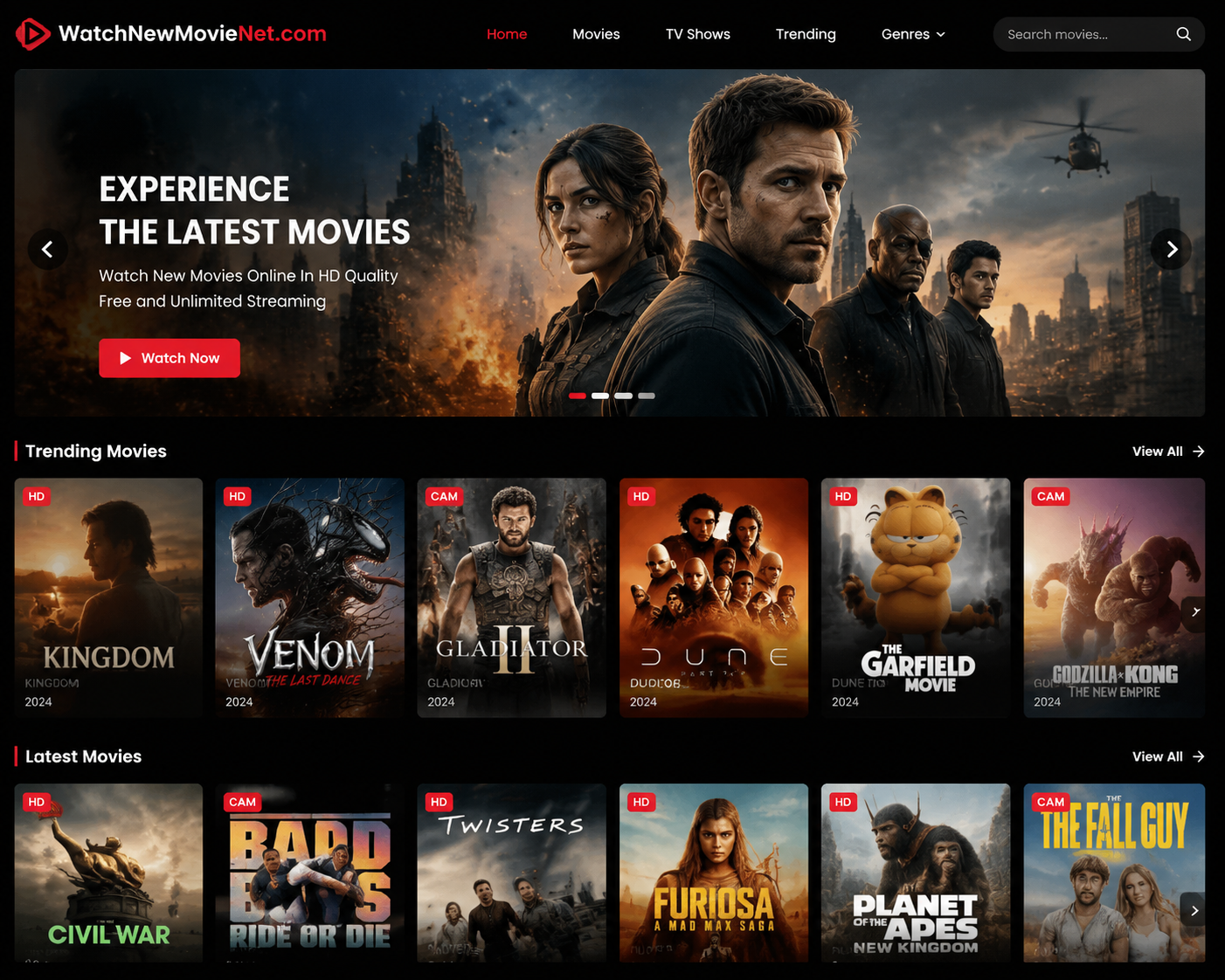
watchnewmovienet.com is a name that frequently appears in searches related to online movie streaming platforms, raising curiosity about its purpose, content type, and safety. Many users encounter it while looking for free entertainment options without fully understanding how such platforms operate. This guide breaks down watchnewmovienet.com from a digital safety, SEO, and informational perspective.
Quick Bio
| Feature | Details |
|---|---|
| Name | watchnewmovienet.com |
| Type | Online streaming-style website (unverified source category) |
| Primary Use | Reported access to movies and entertainment content |
| Industry | Digital media / online streaming (unofficial segment) |
| Status | Not officially licensed or verified |
| Key Concern | Copyright compliance and user safety risks |
Understanding watchnewmovienet.com
watchnewmovienet.com is commonly discussed as a web platform associated with movie streaming or downloadable content. These types of websites often position themselves as entertainment hubs offering access to newly released films and TV content. However, their operational transparency and licensing status are usually unclear, making them controversial in digital media discussions.
From an SEO and digital footprint perspective, domains like watchnewmovienet.com often gain traffic through high-search-volume keywords such as “latest movies,” “free streaming,” or “HD movies online.” This search behavior contributes to their visibility even when legitimacy is uncertain.
How Websites Like watchnewmovienet.com Gain Traffic
Platforms similar to watchnewmovienet.com typically rely on aggressive keyword targeting and trending entertainment queries. These sites attract users by ranking for newly released movies, celebrity titles, and high-demand entertainment terms.
Common traffic strategies include:
- Trending keyword exploitation (new movie releases)
- SEO-optimized landing pages
- Social media sharing loops
- Redirect-based traffic systems
Such techniques are designed to capture high-intent users searching for instant access to entertainment content.
Legal Status and Copyright Concerns
One of the most critical aspects of watchnewmovienet.com is its uncertain legal standing. Many similar platforms operate in a gray area or outside formal licensing agreements with content owners. This raises serious copyright and intellectual property concerns.
In general, unauthorized streaming or distribution of copyrighted films may violate laws depending on jurisdiction. Users engaging with such platforms may unknowingly expose themselves to legal and ethical risks associated with digital piracy regulations.Security Risks Associated with watchnewmovienet.com
Beyond legality, websites like watchnewmovienet.com may present cybersecurity risks. These risks are often overlooked by users focused solely on free content access.
Key risks include:
- Exposure to malware or malicious scripts
- Intrusive advertising and pop-ups
- Data tracking without user consent
- Fake download buttons leading to unsafe files
- Browser hijacking attempts
Such threats can compromise device performance and personal data security.
User Experience and Platform Behavior
User experience on sites like watchnewmovienet.com is often inconsistent. While some users report easy access to content, others face redirects, broken links, or excessive advertisements.
Typical characteristics include:
- Unstable streaming links
- Frequent page redirects
- Low-quality video playback
- Multiple ad layers before content access
These patterns indicate that the platform prioritizes traffic monetization over user experience quality.
SEO Strategy Behind watchnewmovienet.com
From a search engine optimization perspective, watchnewmovienet.com likely depends on long-tail keyword targeting and high-frequency content updates. These strategies help it appear in search results for newly released movies and trending entertainment topics.
Common SEO tactics may include:
- Mass-generated movie pages
- Keyword-stuffed metadata
- Fast indexing of trending film names
- Backlink farming from low-authority sources
Such approaches can generate temporary visibility but rarely sustain long-term search authority.
Ethical Considerations in Online Streaming
The rise of websites like watchnewmovienet.com highlights a broader ethical issue in digital content consumption. While users seek free access, content creators depend on licensing revenue for production and distribution.
Ethical concerns include:
- Loss of revenue for filmmakers
- Undermining licensed streaming platforms
- Impact on creative industries
This creates a conflict between accessibility and intellectual property rights.
Safer Legal Alternatives
Instead of relying on uncertain platforms like watchnewmovienet.com, users can consider legitimate streaming services that provide high-quality and secure access to entertainment content.
Common legal alternatives include:
- Subscription-based streaming platforms
- Free ad-supported legal streaming services
- Official studio apps and websites
- Regional OTT platforms with licensing agreements
These platforms ensure better quality, security, and compliance with copyright laws.
Why Users Search for watchnewmovienet.com
Search interest in watchnewmovienet.com is largely driven by curiosity and demand for free entertainment. Users often look for:
- Latest movie releases
- Free HD streaming options
- Easy access without subscriptions
However, such motivations often overlook the risks associated with unofficial streaming sources.
Digital Safety Best Practices
When browsing unfamiliar entertainment websites, users should prioritize security and awareness. Platforms like watchnewmovienet.com highlight the importance of safe browsing habits.
Recommended practices include:
- Avoid downloading unknown files
- Use trusted antivirus software
- Block suspicious pop-ups
- Stick to verified streaming platforms
- Avoid sharing personal data on unknown sites
These steps help reduce exposure to cyber threats.
Conclusion
- watchnewmovienet.com is widely associated with unofficial movie streaming access and lacks clear licensing verification.
- Such platforms often rely on aggressive SEO strategies to attract entertainment-seeking users.
- Security risks such as malware, redirects, and data tracking are commonly linked to similar websites.
- Legal streaming services provide safer, higher-quality, and more reliable viewing experiences.
- Users should prioritize ethical and secure platforms to protect both their devices and digital rights.
FAQs
1. What is watchnewmovienet.com used for?
watchnewmovienet.com is commonly described as a site associated with online movie streaming content, often linked to unofficial sources of entertainment access.
2. Is watchnewmovienet.com legal?
The legality is uncertain, but many similar platforms operate without proper licensing, which may raise copyright concerns depending on local laws.
3. Is watchnewmovienet.com safe to use?
Websites of this type may carry security risks such as malware, intrusive ads, and unsafe redirects, making them potentially unsafe for users.
4. What are the best alternatives to watchnewmovienet.com?
Legal streaming platforms like licensed OTT services and ad-supported official apps offer safer and higher-quality viewing options.


People searching for come rest on us lyrics are usually looking for more than words to sing along with. The song—widely known as “Rest on Us”—has become a recognizable contemporary worship anthem centered on the presence of the Holy Spirit, spiritual renewal, surrender, and a desire for God to move among His people.
The best-known recording is by Maverick City Music and UPPERROOM featuring Brandon Lake and Eniola Abioye, appearing on Move Your Heart. Spotify lists the track at 5:37 and credits its 2021 release to Tribl Records.
This guide explains the song’s message, biblical imagery, structure, worship context, and why its simple language resonates so strongly with listeners.
Copyright note: The complete song lyrics cannot be reproduced here. For the full authorized lyrics, use a licensed music platform or the artist’s official releases.
Come Rest on Us Song: Quick Facts
| Detail | Information |
|---|---|
| Song title | Rest on Us |
| Popular search | come rest on us lyrics |
| Artists | Maverick City Music & UPPERROOM |
| Featured vocalists | Brandon Lake and Eniola Abioye |
| Project | Move Your Heart |
| Genre | Contemporary worship / Christian & Gospel |
| Main theme | Invitation for the Holy Spirit’s presence |
| Key imagery | Spirit, water, fire, wind, filling and movement |
| Songwriters | Brandon Lake, Tony Brown, Jonathan Jay, Rebekah White, Elyssa Smith and Harvest Bashta |
Apple Music and other music databases credit Brandon Lake, Jonathan Jay, Tony Brown, Rebekah White, Elyssa Smith, and Harvest Bashta as songwriters.
What Do the Come Rest on Us Lyrics Mean?
At its heart, Rest on Us is a sung prayer.
Rather than telling a detailed story, the song repeatedly invites the Holy Spirit to be present, move among worshippers, and fill them. This simplicity is important: the words are designed to move listeners from merely singing about God toward directly addressing Him.
The phrase at the center of the song expresses a desire for God’s Spirit not simply to visit momentarily but to remain present.
That makes the song particularly suitable for corporate worship, prayer meetings, personal devotion, and moments when a congregation wants to slow down and focus on spiritual surrender.
The Central Message: A Desire for God’s Presence
The strongest theme running through the come rest on us lyrics is spiritual hunger.
The singers are not primarily asking God for material success, protection, healing, or answers. They are asking for His presence itself.
That distinction gives the song much of its emotional power.
Its message can essentially be summarized as:
- Holy Spirit, move among us.
- Fill this place and the people in it.
- Do again what Scripture describes You doing before.
- Let us recognize Your presence.
- Become the central desire of our worship.
The repetition reinforces that prayer rather than continually introducing new ideas.
Biblical Meaning Behind Come Rest on Us
One reason the song feels familiar to Christian listeners is its use of imagery deeply connected to Scripture.
The Spirit Moving Over the Waters
The opening concept points toward Genesis 1:2, where the Spirit of God is described as hovering or moving over the waters at the beginning of creation.
That reference matters because Genesis presents God’s Spirit in connection with creation, order, and new beginnings.
Within the song, the imagery becomes a prayer for renewed spiritual activity: as God’s Spirit moved at creation, worshippers ask Him to move again in their lives.
Fire and Wind
Another major image is fire and wind.
Both have strong biblical associations with the Holy Spirit, particularly in Acts 2, which describes the events of Pentecost.
Acts describes a sound resembling a rushing wind and tongues appearing like fire as the disciples were filled with the Holy Spirit.
The song uses those recognizable symbols to connect modern worship with the biblical expectation of God’s Spirit moving powerfully among His people.
Being Filled With the Spirit
The idea of being filled also appears repeatedly throughout the New Testament.
For example, Ephesians 5:18 encourages believers to be filled with the Spirit.
In the context of the song, filling represents more than an emotional worship experience. It communicates dependence, surrender, spiritual renewal, and an openness to God’s work.
Why Is “Come Rest on Us” Repeated So Much?
Some listeners immediately notice how repetitive the song is.
That repetition is intentional.
Many contemporary worship songs use repeated phrases because congregational singing works differently from ordinary pop listening. Worshippers do not necessarily need a constantly developing narrative. Repetition can allow a short prayer to become meditative.
The central phrase becomes almost like a congregational response.
Instead of asking listeners to process another verse full of information, the song allows them to stay with one spiritual desire.
This approach resembles older forms of Christian prayer and liturgy, where significant phrases may be repeated as a way of focusing attention.
Understanding the Chorus
The chorus shifts from invitation toward expectation.
It describes the Spirit moving in ways that affect both the individual worshipper and the atmosphere of the room.
One very short line captures that awareness:
“You’re here and I know You are moving.”
The emphasis is not simply on requesting God’s presence but recognizing it.
This creates an important progression within the song:
invitation → expectation → recognition → filling
That progression helps explain why the song often works particularly well in extended worship settings.
What Does “Rest on Us” Mean Spiritually?
The word rest can be misunderstood if interpreted only as relaxation.
In this context, asking the Holy Spirit to “rest” on someone means asking for His presence to remain, dwell, or settle upon them.
Biblical language sometimes describes God’s Spirit as coming upon individuals for particular purposes. Christian worship language has developed from these passages to describe an awareness of God’s presence.
So the phrase does not mean, “Holy Spirit, take a break.”
It is an invitation:
Remain here. Be present. Move among us. Fill us.
Understanding that distinction makes the song’s central message much clearer.
Why the Song Works So Well in Corporate Worship
The structure of Rest on Us is especially suited to congregational worship.
Its language is direct, its central ideas are easy to remember, and its repetition allows people to participate even when hearing the song for the first time.
The song also gradually increases emotional intensity without requiring complicated lyrical transitions.
Musically and lyrically, it creates space for worship leaders to extend sections, repeat prayers, transition into spontaneous worship, or allow instrumental moments between vocal sections.
That flexibility is one reason songs of this type can feel considerably different live than they do in a studio recording.
Who Originally Recorded Rest on Us?
The song has existed in several recordings and arrangements, which can create confusion when people search for come rest on us lyrics.
UPPERROOM released a live recording of “Rest on Us” as part of Land of the Living (Live) in 2020. Spotify lists that recording as a 5:25 track.
The widely recognized Maverick City Music and UPPERROOM collaboration featuring Brandon Lake and Eniola Abioye followed as part of Move Your Heart in 2021.
Different live performances may therefore contain repeated sections, spontaneous additions, or slightly different arrangements.
Who Wrote Rest on Us?
Songwriting credits list:
- Brandon Lake
- Tony Brown
- Jonathan Jay
- Rebekah White
- Elyssa Smith
- Harvest Bashta
These credits are listed by Apple Music and Shazam for the Maverick City Music and UPPERROOM recording.
Knowing the writers is useful because worship songs frequently circulate through multiple churches, artists, live recordings, and cover versions. The most familiar performer is not always the sole songwriter.
Come Rest on Us Lyrics and the Theme of Pentecost
The connection with Pentecost deserves special attention.
Acts 2 describes Jesus’ followers gathered together when the Holy Spirit comes upon them. The event is associated with wind, fire, filling, and supernatural activity.
Rest on Us brings several of those ideas into a modern worship setting.
The song essentially asks: if God’s Spirit moved among believers before, may He move among believers again.
It does not attempt to retell the entire Pentecost story. Instead, it takes its central imagery and converts it into prayer.
That makes the song simultaneously biblical and experiential.
The Genesis and Acts Connection
There is an interesting theological progression hidden inside the song’s imagery.
Genesis presents the Spirit moving over the waters before creation takes shape.
Acts presents the Spirit moving among believers as the early church begins its mission.
Both scenes involve beginnings.
This creates a broader interpretation of the song: inviting the Holy Spirit can also represent asking God to create something new—new faith, renewed devotion, spiritual awakening, courage, healing in relationships, or greater obedience.
That connection gives the otherwise simple lyrics surprising depth.
Why “You’re All We Want” Matters
Toward its later sections, the song becomes even more focused.
The prayer moves beyond asking the Holy Spirit to perform something dramatic. The emphasis becomes desire for the Spirit Himself.
This is an important theological distinction.
Christian worship can easily become focused on what God can give. The song instead redirects attention toward who God is.
That helps explain why the final sections often feel more intimate than the earlier ones.
The worshipper moves from asking for movement to expressing desire.
Is Rest on Us a Worship Song or Gospel Song?
It fits comfortably within several related categories.
Music platforms generally classify it within Christian and Gospel, while churches frequently describe it as contemporary worship.
Both descriptions make sense.
Its arrangement, extended live presentation, repetition, and congregational language strongly reflect modern worship music. At the same time, its vocal style and Maverick City Music’s broader musical identity contain strong gospel influences.
It is therefore more useful to understand the song by its purpose than to force it into a single narrow genre.
Its purpose is worship.
Best Ways to Use Rest on Us in Worship
For churches or worship leaders, the song works especially well when its placement supports its prayerful character rather than treating it as another upbeat item in a setlist.
Useful contexts include:
- Beginning an extended worship or prayer section.
- Transitioning from praise into quieter ministry time.
- Preparing for corporate prayer.
- Worship centered on the Holy Spirit.
- Pentecost Sunday services.
- Prayer meetings and revival-focused gatherings.
- Personal devotional worship.
- Moments when spontaneous singing may follow the structured song.
The biggest mistake is rushing it.
Because repetition is one of the song’s main strengths, forcing every section into a rigid or overly fast arrangement can reduce its impact.
Why Listeners Connect Emotionally With the Song
The language is exceptionally personal.
Instead of discussing complicated theological concepts in academic terms, the song describes immediate experiences: God’s Spirit moving, filling a room, affecting the heart, and being desired.
Listeners therefore do not need significant theological training to understand the emotional direction.
The song creates a vocabulary for something many believers already want to express:
God, I want You near.
That simplicity makes it memorable.
Where Can You Read the Full Come Rest on Us Lyrics?
Because the lyrics are copyrighted, the safest way to access the complete text is through authorized or licensed sources.
Apple Music displays lyrics for the Maverick City Music and UPPERROOM recording, while Spotify hosts the official track and artist information.
Official artist videos and licensed lyric services are also preferable to unofficial lyric pages because they are more likely to contain the correct version.
This matters particularly with Rest on Us, since several live performances and arrangements exist.
Common Confusion: “Come Rest on Us” vs. “Rest on Us”
The official song title is generally “Rest on Us.”
However, many listeners remember its recurring invitation and search phrases such as:
come rest on us lyrics
That is why searches using “Come Rest on Us” typically lead to the same Maverick City Music and UPPERROOM worship song.
It is not necessarily a different track.
Frequently Asked Questions
Who sings Come Rest on Us?
The widely known Move Your Heart recording is performed by Maverick City Music and UPPERROOM featuring Brandon Lake and Eniola Abioye.
What is the real title of Come Rest on Us?
The song is officially titled “Rest on Us.”
“Come Rest on Us” is a common search phrase based on the recurring words in the song.
What is Rest on Us about?
It is essentially a prayer asking the Holy Spirit to move, remain present, and fill worshippers with God’s presence.
Is Rest on Us based on the Bible?
Its imagery strongly echoes biblical passages involving the Holy Spirit, especially Genesis 1:2 and Acts 2:1–4.
What do fire and wind represent?
Within the song’s Christian context, they point especially toward imagery associated with the Holy Spirit at Pentecost.
What does “rest on us” mean?
It means inviting God’s Spirit to remain, dwell, or settle upon the worshippers rather than referring to physical rest or sleep.
What album is Rest on Us from?
The Maverick City Music and UPPERROOM version featuring Brandon Lake and Eniola Abioye appears on ** Move Your Heart **.
Can I find different versions of the song?
Yes. UPPERROOM has released live versions, and Maverick City Music has also released other recordings and performances of the song.
Final Thoughts on Come Rest on Us Lyrics
The enduring appeal behind searches for come rest on us lyrics comes from the song’s simplicity. Rest on Us does not rely on a complicated story or dense theology. Instead, it turns biblical images of water, wind, fire, movement, and filling into a direct prayer for the presence of the Holy Spirit.
Its strongest message is equally simple: worship is not merely about singing something impressive—it is about desiring God Himself.
By connecting imagery from Genesis and Pentecost with intimate, repetitive prayer, Rest on Us gives congregations and individual listeners a memorable way to express spiritual hunger, surrender, expectation, and a longing for God’s presence.
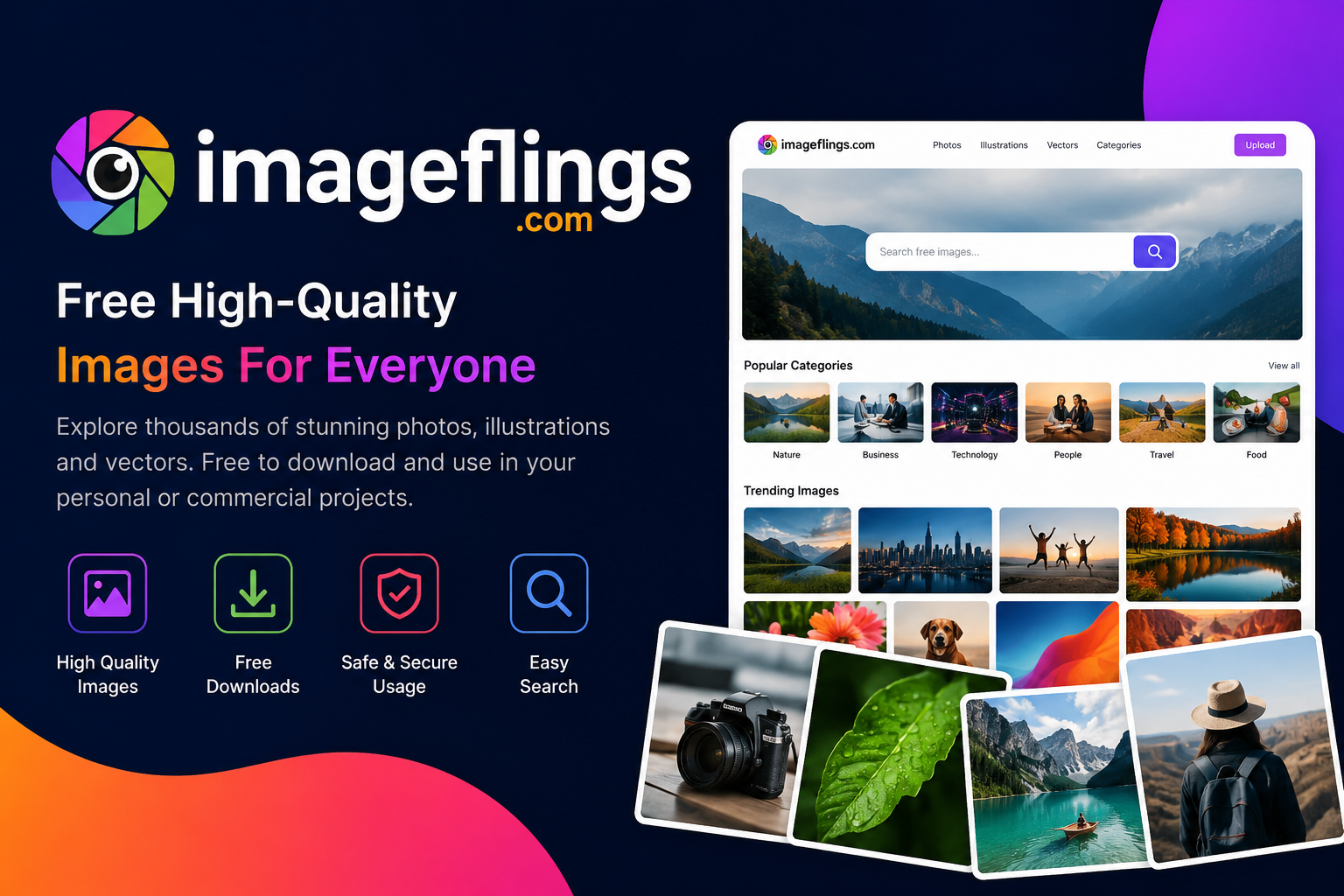
imageflings com is a general-interest content website publishing articles across several subjects, including education, health, lifestyle, technology, travel, and general knowledge. Its broad topic range makes it more comparable to an online magazine or multi-category blog than a specialized publication.
People searching for the domain are usually trying to understand what the website offers, whether its articles are useful, and whether they can browse it safely. This guide examines its apparent purpose, content structure, strengths, limitations, and the checks readers should perform before trusting or acting on its information.
Quick Facts About imageflings com
| Feature | Overview |
|---|---|
| Website type | General-interest information blog |
| Main categories | Education, General, Health, Lifestyle, Tech, and Travel |
| Typical content | Explanatory articles, guides, profiles, and informational posts |
| Account required | Articles generally appear intended for public reading |
| Best suited for | Casual research and introductory information |
| Main limitation | Broad coverage may reduce subject-level specialization |
| Recommended approach | Read for general context, then verify important claims |
Search results for the website identify categories such as Education, General, Health, Lifestyle, Tech, and Travel. Indexed examples also show articles covering subjects as different as Chinese hamsters, popular fictional characters, and public personalities.
What Is imageflings com?
ImageFlings.com appears to operate as a multi-topic publishing platform. Rather than concentrating on one industry, it organizes content around broad areas that can attract readers with different interests.
The site’s apparent purpose is to answer common questions, explain unfamiliar subjects, and provide accessible introductions to trending or evergreen topics. This type of publishing model often depends on search traffic from people looking for quick explanations rather than specialist research.
The word “image” in the domain name may lead some visitors to expect an image-sharing or photo-hosting service. However, the indexed content suggests that Image Flings primarily functions as an article-based website rather than a dedicated image storage, editing, or social-sharing platform.
What Kind of Content Does ImageFlings.com Publish?
General Information
The general section appears designed for topics that do not fit into a narrow professional category. These may include cultural subjects, entertainment-related explanations, biographies, unusual facts, and answers to frequently searched questions.
General-interest articles can be useful when readers need a quick overview. They should not automatically be treated as authoritative evidence, especially when the subject involves disputed facts, legal matters, medical guidance, or personal reputations.
Education
Educational content may include basic explanations, learning resources, historical topics, or simplified introductions to complex ideas.
A useful educational article should do more than repeat definitions. It should clearly identify its sources, explain the subject in context, and distinguish established facts from interpretation.
Health
Health articles require stronger editorial standards than ordinary lifestyle content. Readers should check whether a health-related page includes:
- A named author or medical reviewer
- References to recognized health institutions
- A publication or revision date
- Clear limitations and safety warnings
- Advice to consult a qualified professional when necessary
An article can be readable and still be medically incomplete. Never use a general blog as the sole basis for diagnosing symptoms, changing medication, or delaying professional care.
Lifestyle
Lifestyle content usually covers practical everyday subjects such as wellness routines, personal interests, pets, home ideas, relationships, or popular culture.
For example, one indexed Image Flings article discusses the Chinese hamster and presents it as a guide for pet owners. That indicates the website may target readers looking for introductory, easy-to-read guidance rather than veterinary-level documentation.
Technology
Technology articles can be helpful for learning basic concepts, comparing tools, or solving common problems. However, technical advice becomes outdated quickly.
Before following a tutorial, check:
- When the article was last updated
- Whether the instructions match the current software version
- Whether downloads lead to an official source
- Whether the author tested the process
- Whether recent user comments report errors
For installations, account security, payments, and system changes, official documentation should remain the primary reference.
Travel
Travel articles may cover destinations, activities, planning advice, or local attractions. Such content can inspire a trip, but practical details must be confirmed before booking.
Visa rules, entry requirements, opening hours, transportation schedules, fees, and safety conditions can change. Verify these details through government portals, airlines, hotels, or the attraction’s official website.
How the Website’s Broad Content Model Works
A broad publication can answer more search queries than a narrowly focused website. It may publish a pet guide one day, a cultural explanation the next, and a technology article afterward.
This approach offers convenience but creates an important trade-off: topical variety does not guarantee expertise in every category.
A strong general-interest article should therefore demonstrate credibility on each page through:
- Clear authorship: Readers should know who created the content.
- Relevant experience: The author’s background should fit the subject.
- Reliable references: Important claims should be traceable.
- Visible dates: Readers should know when information was published or revised.
- Editorial transparency: Corrections, sponsorships, and conflicts should be disclosed.
These signals matter more than polished formatting or confident language.
Is imageflings com Safe to Use?
There is not enough reliable, independent evidence to give the domain an unconditional “safe” or “unsafe” label. A more responsible conclusion is that visitors should apply normal browsing precautions and evaluate the specific page they plan to use.
A secure browser connection is a positive technical sign, but it does not prove that every article is accurate or that every external link is trustworthy. Google advises users to confirm the domain in the address bar and remain careful with personal information even when the connection itself is secure.
Safety Checks to Perform Before Browsing
Confirm the Exact Domain
Look carefully at the address bar. The expected domain is imageflings.com.
Misspelled addresses, extra words, unfamiliar subdomains, and unusual domain endings can indicate imitation pages. Avoid links that arrive through unexpected messages when you can enter the known address directly.
Review the Browser Warning
Do not ignore a red warning page, certificate error, or “Dangerous” notice. Google recommends avoiding sites flagged as dangerous and not entering personal information on pages using an insecure connection.
Avoid Unnecessary Personal Information
A public article should not normally require banking details, identification documents, account passwords, or sensitive personal data.
Leave the page when it unexpectedly asks you to:
- Verify a payment method
- Install an unknown browser extension
- Enable excessive notifications
- Download an unfamiliar executable file
- Enter credentials for an unrelated service
- Complete an urgent security check
Inspect External Links
A legitimate article may link to outside references, products, advertisements, or related resources. Hover over desktop links or press and hold them on mobile to preview the destination.
The destination domain matters more than the visible anchor text.
Keep Security Tools Updated
The FTC and CISA recommend using updated security software, enabling multifactor authentication, recognizing phishing attempts, and installing software updates promptly. These steps reduce the damage caused by malicious links or stolen credentials.
How to Judge the Quality of an Image Flings Article
Safety and content quality are different questions. A page can contain no malware yet still provide weak, outdated, or misleading information.
Use the following evaluation method before relying on an article.
1. Identify the Main Claim
Determine exactly what the article wants you to believe or do. Informational pages sometimes mix verified facts, assumptions, opinions, and promotional language without clearly separating them.
Write the central claim in one sentence. It becomes much easier to verify once it is isolated.
2. Check the Author
Look for a real author name, biography, qualifications, and previous work.
Anonymous authorship is not automatic proof of poor quality, but it gives readers less information with which to assess expertise and accountability.
3. Examine the Evidence
Reliable articles support important statements with direct references. The strongest sources normally include:
- Government agencies
- Universities
- Peer-reviewed research
- Official company documentation
- Recognized professional organizations
- Direct statements from the person or organization discussed
A list of facts without sources should be treated as a starting point, not a final authority.
4. Review the Publication Date
Dates are especially important for health, technology, travel, finance, law, and online services.
An older article may still rank in search results even though its instructions, pricing, policies, or recommendations are no longer current.
5. Separate Information From Promotion
Watch for product links, exaggerated benefits, discount language, or recommendations that do not explain disadvantages.
Commercial relationships should be disclosed clearly. A balanced review normally identifies who a product is not suitable for, rather than presenting every feature positively.
6. Compare the Information
Search for the same claim on at least two independent, reputable sources. Do not count websites that repeat nearly identical wording, because they may all be reproducing the same original error.
Strengths and Limitations of imageflings com
Potential Strengths
- Covers a wide variety of subjects
- Offers accessible introductions for casual readers
- Uses category-based navigation
- May help users discover unfamiliar topics
- Provides content that can support preliminary research
Potential Limitations
- Broad coverage can make subject expertise difficult to establish
- Some topics may need stronger sourcing
- Older posts may no longer reflect current facts
- Search-friendly headlines do not guarantee depth
- General articles may simplify complex or sensitive subjects
The best use of the site is likely discovery and orientation. Readers can learn the basic vocabulary of a topic and then continue to more specialized sources.
ImageFlings.com vs. Specialist Websites
| Evaluation Area | General Site Like Image Flings | Specialist Source |
| Topic variety | High | Usually limited |
| Introductory readability | Often strong | May be more technical |
| Subject expertise | Varies by article | Usually more consistent |
| Research depth | Basic to moderate | Moderate to advanced |
| Update frequency | Varies | Often tied to one industry |
| Best use | Initial understanding | Important decisions and verification |
Neither format is automatically superior in every situation. A simple explanation may be more useful than a technical paper when someone is first learning a subject.
The risk begins when introductory content is treated as professional advice.
Common Mistakes Readers Should Avoid
Trusting the First Search Result
High placement in search results does not independently prove accuracy. Search visibility can be influenced by relevance, optimization, links, freshness, and many other factors.
Evaluate the page itself rather than assuming ranking equals authority.
Confusing HTTPS With Full Legitimacy
HTTPS protects information traveling between a browser and a website. It does not verify every factual claim, advertisement, download, or third-party destination.
Google explicitly advises users to remain careful with sensitive information even on sites showing a secure connection.
Clicking Urgent Pop-Ups
Warnings such as “Your device is infected,” “Your account expires today,” or “Click immediately to continue” are common pressure tactics.
The FTC warns that scammers frequently create urgent stories to persuade people to click links, reveal information, or update supposed payment details.
Reusing a Password
Do not create an account on an unfamiliar site using the same password as your email, banking, hosting, or social accounts.
A password manager and multifactor authentication provide better protection if login details are exposed.
Using One Article for a Major Decision
A single general-interest article should not determine a medical treatment, financial investment, legal action, expensive purchase, or international journey.
Use it to identify questions. Use qualified and official sources to answer them.
Who May Find Image Flings Useful?
The website may appeal to:
- Casual readers exploring new subjects
- Students collecting basic background information
- Users looking for simple explanations
- Bloggers researching possible topic ideas
- Readers interested in lifestyle and general knowledge
- People comparing information from several publications
Researchers, professionals, and decision-makers may still find an article useful, but they should verify its claims before citing or applying them.
A Better Way to Use imageflings com
Follow this simple workflow:
- Read the article once to understand the basic topic.
- Note names, dates, statistics, recommendations, and technical claims.
- Check whether the article identifies an author and sources.
- Open original or official references where available.
- Search independently for confirmation.
- Check whether newer information has replaced the article’s guidance.
- Avoid sharing personal data unless the service clearly requires it and its policies are transparent.
This method allows readers to benefit from convenient content without depending on it blindly.
Frequently Asked Questions
Is imageflings com an image-sharing website?
Despite the domain name, indexed results indicate that it mainly operates as a general-interest article website. Its visible categories include education, health, lifestyle, technology, travel, and general content.
What topics are available on ImageFlings.com?
The website appears to cover a broad mix of educational, lifestyle, health, technology, travel, entertainment, pet, and general-information subjects. Indexed examples show content ranging from pet care to fictional characters and personality-focused articles.
Is the information on imageflings com reliable?
Reliability should be assessed article by article. Look for qualified authors, supporting references, recent update dates, balanced explanations, and confirmation from independent sources.
Does a secure connection mean the website is completely safe?
No. A secure connection encrypts data between your browser and the website, but it does not guarantee that the site’s content, downloads, advertising, or external links are trustworthy.
Should I download files from Image Flings?
Download only when the file is clearly identified, necessary, and hosted by a trusted provider. Scan downloads with updated security software and avoid executable files, unknown extensions, or unexpected browser add-ons.
Conclusion
imageflings com appears to be a broad informational website covering education, health, lifestyle, technology, travel, and general-interest subjects. Its variety can make it useful for discovering topics and gaining an initial understanding of unfamiliar ideas.
Readers should still judge each article separately. Check authorship, references, update dates, external links, and browser warnings before trusting important claims or sharing personal information. Used as a starting point rather than an unquestioned authority, imageflings com can support casual research while leaving critical decisions to current, specialized, and independently verified sources.

The term springwaltersevent is appearing across event, lifestyle, and community-focused websites, leaving many readers wondering whether it refers to a specific festival, an event-planning concept, or a seasonal celebration.
Current search results generally describe springwaltersevent as a spring-themed gathering built around nature, creativity, local culture, and community participation. However, there is no clearly verified official organizer, fixed venue, published schedule, or authoritative event page connected to the term.
This guide explains what the keyword appears to mean, what such an event might include, how to verify legitimate event information, and how organizers can create their own meaningful spring celebration.
Quick Facts About springwaltersevent
| Topic | Current Understanding |
|---|---|
| Primary meaning | A spring-inspired community or lifestyle event |
| Typical focus | Nature, renewal, creativity, and social connection |
| Common activities | Workshops, food stalls, music, games, crafts, and markets |
| Intended audience | Families, friends, local communities, and creators |
| Official event status | No confirmed central organizer or authoritative listing found |
| Fixed date or location | Not publicly verified |
| Search intent | Primarily informational and guide-focused |
| Best next step | Verify details before buying tickets or sharing personal information |
What Is springwaltersevent?
Springwaltersevent is most commonly presented online as a broad concept for a seasonal gathering rather than one internationally recognized festival.
Articles using the term describe an experience that combines the freshness of spring with outdoor activities, creative expression, social interaction, and community participation. Suggested settings include gardens, parks, open-air venues, neighborhood spaces, and naturally lit event halls.
In practical terms, the name may be used for celebrations such as:
- A spring community festival
- A garden party or outdoor social gathering
- A local art and craft market
- A family-friendly seasonal fair
- A wellness or nature-focused retreat
- A school, charity, or neighborhood event
- A branded private celebration
The exact format can vary because no universal definition or official program currently controls how the term is used.
Is springwaltersevent a Real Scheduled Event?
There is not enough authoritative public information to confirm springwaltersevent as one official event with a single organizer, location, registration portal, or annual schedule.
Several independent websites discuss the phrase as though it represents a modern community celebration. Their descriptions are similar, but they do not provide consistent evidence of a founding organization, verified ticketing system, physical address, or confirmed event history.
That distinction matters. A concept article can explain what an event might look like, but it should not be treated as proof that a real event is currently accepting bookings.
Anyone searching for tickets, dates, entry fees, or venue information should look for an official organizer before making a payment.
Why Is the Term Gaining Attention?
The keyword stands out because it combines a familiar seasonal idea with an unusual name. People may search for it after seeing it in an article, social-media post, recommendation feed, or trending-keyword list.
The content currently ranking for the phrase connects it with themes that are already popular in seasonal event planning:
- Outdoor experiences
- Community connection
- Local business support
- Creative workshops
- Sustainable décor
- Family entertainment
- Seasonal food
- Live performances
- Wellness and relaxation
These themes make the concept flexible. It can be adapted for a small private gathering, a school function, a local market, or a larger public festival.
The Main Themes Behind springwaltersevent
Renewal and New Beginnings
Spring is naturally associated with growth, fresh starts, and changing routines. A spring-themed event can reflect that mood through flowers, greenery, lighter menus, outdoor spaces, and activities focused on personal or community development.
The theme does not need to be expressed through decorations alone. Organizers can use it to support practical goals such as launching a new project, welcoming new members, raising funds, or reconnecting local residents.
Community Participation
One repeated idea in online descriptions of springwaltersevent is that attendees should participate rather than simply watch. Workshops, demonstrations, competitions, group games, and community art projects make visitors part of the experience.
Participation also helps an event feel more personal. Guests are more likely to remember something they made, tasted, planted, learned, or performed than a program they observed from a distance.
Nature and Outdoor Experiences
Gardens, parks, courtyards, farms, and open-air venues suit the spring theme particularly well.
Nature can also be included through smaller details when an outdoor venue is unavailable. Indoor organizers can use potted plants, natural materials, daylight, floral displays, seasonal fragrances, and nature-focused activities.
Creativity and Local Culture
Artisan stalls, painting sessions, handmade products, storytelling, music, dance, and food demonstrations can give the gathering a clear local identity.
Rather than copying a generic festival format, organizers should feature traditions, creators, foods, and activities that are meaningful to the intended audience.
What Activities Could Be Included?
A successful program should offer enough variety without creating a confusing schedule.
Creative Workshops
Practical workshops encourage guests to remain engaged and give them something valuable to take home.
Suitable options include:
- Flower arranging
- Pot painting
- Nature photography
- Handmade cards
- Seasonal cooking
- Gardening demonstrations
- Recycled crafts
- Beginner painting
- Decorative wreath making
Workshop duration should generally be clear in advance so visitors can plan their day.
Live Entertainment
Acoustic music, cultural performances, poetry, storytelling, and small theatre productions can create atmosphere without overwhelming the event.
The entertainment should match the venue. A quiet garden gathering may benefit from softer performances, while a large community fair may require a stage, sound system, seating plan, and structured timetable.
Family Activities
Family-friendly events need activities that work for different age groups.
Children may enjoy treasure hunts, face painting, planting activities, simple crafts, storytelling, or supervised outdoor games. Adults may prefer food experiences, workshops, wellness sessions, live music, and market stalls.
Clear supervision and safety arrangements are essential whenever activities involve children.
Food and Seasonal Refreshments
A spring menu can feature fresh fruit, light snacks, local dishes, desserts, juices, tea, and picnic-style food.
Organizers should clearly display ingredients and allergen information. Clean serving areas, safe food storage, shaded seating, drinking water, and waste-disposal points also improve the visitor experience.
Local Vendor Market
Small businesses, growers, artists, bakers, and craftspeople can add commercial value to the gathering.
Vendor selection should follow the event theme rather than filling the venue with unrelated sellers. A smaller group of relevant, high-quality vendors often creates a better experience than a crowded marketplace.
How to Verify a springwaltersevent Listing
Because the keyword does not currently lead to one clearly established official organization, verification is especially important.
Before registering or paying, check the following information.
Confirm the Organizer’s Identity
A legitimate event page should clearly state who is organizing the gathering.
Look for:
- A registered business, institution, school, charity, or community group
- A working telephone number
- A professional email address
- Active and consistent social-media profiles
- A physical venue or office address
- Previous event photographs or announcements
- Clear terms, policies, and refund information
A page that provides only promotional claims without an identifiable organizer deserves additional scrutiny.
Verify the Venue Independently
Search for the venue through its official website, map listing, or verified social account.
Contact the venue directly when necessary and ask whether the event is actually scheduled there. Do not rely only on an image, poster, or forwarded message.
Check the Date Carefully
Some articles discussing springwaltersevent describe a general concept without publishing a real event date.
Make sure the date appears consistently across the organizer’s website, ticketing page, venue listing, and social-media announcement.
Use a Recognized Payment Method
Avoid sending money to an unknown personal account without written booking details.
A reliable transaction should provide:
- The organizer’s name
- Ticket category
- Event date
- Venue
- Total amount
- Confirmation number
- Refund or cancellation policy
- Customer-support contact
Keep copies of receipts, emails, and registration confirmations.
Review the Refund Policy
Outdoor spring events may be affected by rain, strong winds, excessive heat, or venue restrictions.
The organizer should explain whether the event will be rescheduled, moved indoors, or refunded if conditions change.
How to Plan Your Own springwaltersevent
The concept is broad enough to be adapted to many audiences. Strong planning begins with purpose rather than decoration.
Define the Main Goal
Decide what the event is supposed to achieve.
Possible goals include:
- Bringing neighbors together
- Promoting local businesses
- Raising funds
- Celebrating a seasonal milestone
- Supporting artists and creators
- Educating families about nature
- Launching a product or community project
- Providing entertainment
Every activity should support the main objective.
Identify the Audience
A family festival requires different facilities from a professional networking event.
Consider the visitors’ ages, interests, mobility requirements, budgets, transport needs, food preferences, and expected arrival times.
Choose a Suitable Venue
Evaluate the venue based on function, not appearance alone.
Check:
- Capacity
- Accessibility
- Parking
- Public transport
- Toilets
- Electricity
- Lighting
- Security
- Emergency access
- Shade
- Seating
- Vendor space
- Indoor backup options
Visit the location at approximately the same time of day as the proposed event. This helps reveal problems involving traffic, sunlight, noise, temperature, and visibility.
Create a Weather Plan
A spring event should never depend entirely on perfect weather.
Prepare for rain, wind, heat, mud, and sudden temperature changes. Tents, indoor rooms, secure signage, covered equipment, water stations, drainage planning, and flexible scheduling can prevent minor weather changes from becoming major disruptions.
Build a Balanced Schedule
Avoid placing every major activity at the same time.
A balanced program may include:
- A welcoming activity
- Short workshops throughout the day
- Regular live performances
- Flexible market browsing
- Dedicated children’s activities
- Food and rest periods
- A clear closing feature
Publish the schedule in advance and display it at the entrance.
Common Planning Mistakes to Avoid
Trying to Include Too Much
More activities do not automatically create a better event.
An overcrowded program can lead to late performances, confused visitors, long queues, exhausted staff, and poor sound control. Focus on a smaller number of well-managed experiences.
Ignoring Accessibility
Steps, narrow pathways, uneven ground, distant toilets, and unclear signs can exclude visitors.
Accessible entrances, seating, parking, paths, and facilities should be considered from the beginning rather than added at the last moment.
Underestimating Basic Facilities
Visitors notice missing essentials quickly.
Clean toilets, drinking water, shaded rest areas, waste bins, first aid, security, and visible information points are often more important than expensive decorations.
Choosing Vendors Without Standards
Poor-quality stalls can weaken the event’s reputation.
Provide vendors with written rules covering setup, branding, hygiene, electricity, waste, pricing displays, insurance, arrival times, and closing procedures.
Failing to Measure Results
Attendance alone does not show whether the event succeeded.
Organizers should also review:
- Ticket sales
- Visitor satisfaction
- Vendor revenue
- Workshop participation
- Social-media engagement
- Email sign-ups
- Safety incidents
- Waste levels
- Sponsor outcomes
- Repeat attendance interest
A short post-event survey can reveal which activities should return and which need improvement.
How to Make the Experience More Memorable
Give the Event a Clear Identity
Choose a focused visual direction, tone, and message.
A nature and wellness gathering may use calm spaces and educational activities. A lively community festival may use colorful displays, performances, competitions, and street-food areas.
Create Participation Moments
Invite attendees to contribute to a shared result.
Examples include a community mural, message wall, seed exchange, collaborative sculpture, group photograph, donation project, or public pledge.
Support Local Stories
Allow vendors, performers, volunteers, and residents to explain the meaning behind their work.
Real stories create stronger emotional connections than generic promotional signs.
Design for Photography Without Disrupting Movement
A visually appealing installation can encourage organic social sharing, but it should not block entrances, walkways, or vendor areas.
Create one or two dedicated photo points with good lighting and enough space for queues.
Follow Up After the Event
Share photographs, results, thank-you messages, community impact, and future plans.
Follow-up communication turns a one-day gathering into an ongoing relationship with attendees.
springwaltersevent Versus a Traditional Spring Festival
| Feature | springwaltersevent Concept | Traditional Spring Festival |
| Definition | Flexible and loosely defined | Usually established by a known organizer or tradition |
| Format | Can be private, local, commercial, or community-based | Often follows a recurring public program |
| Activities | Adapted to the audience | May follow familiar annual customs |
| Branding | Can be newly created | Usually has an established identity |
| Date and venue | Not universally fixed | Often announced through official channels |
| Participation | Strong focus on interactive experiences | May combine performances and passive attendance |
| Verification need | High due to unclear official status | Easier when the organizer is well established |
Frequently Asked Questions
What does springwaltersevent mean?
It appears to describe a spring-themed event centered on community, creativity, nature, and shared seasonal experiences.
The term does not currently have one universally verified definition.
Is it a festival, company, or event-planning service?
Current search results do not clearly confirm it as one registered company or official festival.
Different websites use it as a general event concept, while some describe it as though it were a community celebration.
Where is springwaltersevent held?
No single verified location is consistently connected to the keyword.
A genuine listing should provide an independently verifiable venue address.
When does springwaltersevent take place?
There is no confirmed universal date.
Avoid assuming that an article about the concept is an official event announcement.
Does springwaltersevent require tickets?
That depends on the specific organizer using the name.
Some community gatherings may be free, while private workshops, markets, or entertainment programs may charge an entry fee.
Is springwaltersevent suitable for families?
The concept is frequently described as family-friendly, but the suitability of a real gathering depends on its activities, safety measures, facilities, age guidance, and organizer policies.
Can businesses participate?
Local vendors, food businesses, artists, sponsors, and service providers could participate when permitted by the organizer.
Businesses should request a written vendor agreement before paying a stall fee.
Final Thoughts on springwaltersevent
Springwaltersevent is best understood as an emerging, loosely defined spring-event concept rather than a fully verified global festival with one official organizer.
Its strongest themes are renewal, nature, creativity, community involvement, and shared experiences. Those ideas can inspire a valuable local event, but readers should distinguish between conceptual articles and genuine ticketed listings.
Before attending or making a payment, confirm the organizer, venue, date, refund policy, and contact information. When carefully planned and transparently promoted, springwaltersevent can become a memorable seasonal experience that brings people together for more than entertainment alone.


raceordie2.comabout us: Website, Team & Trust Guide

mykaoshop com about us: Kao Brands, Mission & More

Maakebeauty com About Us: Brand Story & Beauty Guide
-

 Fashion9 years ago
These ’90s fashion trends are making a comeback in 2017
-
Entertainment9 years ago
The final 6 ‘Game of Thrones’ episodes might feel like a full season
-
Fashion9 years ago
According to Dior Couture, this taboo fashion accessory is back
-
Entertainment9 years ago
The old and New Edition cast comes together to perform
-
Sports9 years ago
Phillies’ Aaron Altherr makes mind-boggling barehanded play
-
Entertainment9 years ago
Disney’s live-action Aladdin finally finds its stars
-
Business9 years ago
Uber and Lyft are finally available in all of New York State
-
Sports9 years ago
Steph Curry finally got the contract he deserves from the Warriors