
Uncategorized
The Ultimate Guide to navigating and mastering adultsrach

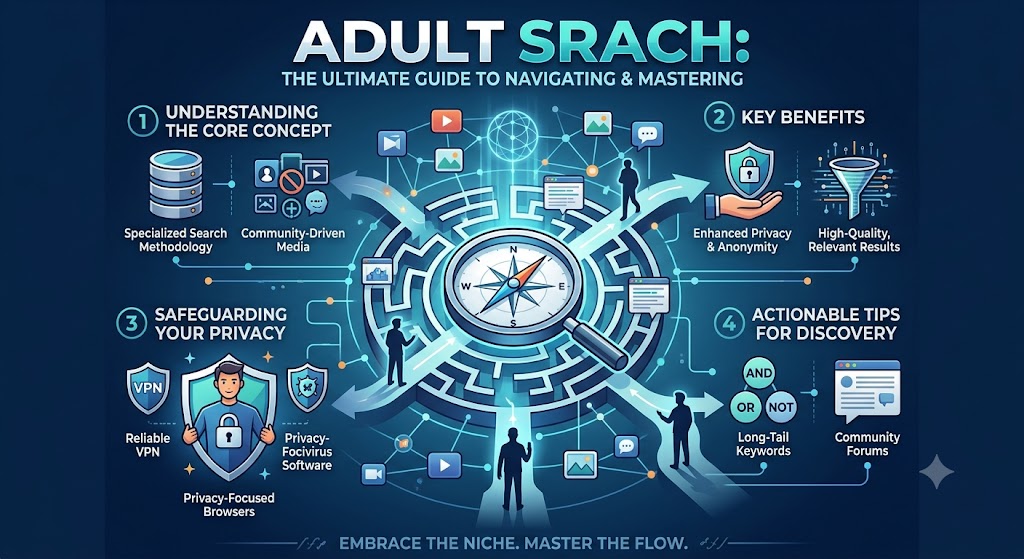
In the rapidly evolving digital landscape, finding specialized content and communities that cater to specific interests can sometimes feel like searching for a needle in a haystack. This is where adultsrach comes into play. Whether you are a creator, a consumer, or a digital marketer looking to understand this growing niche, navigating this space efficiently requires the right strategies, tools, and insights.
This comprehensive guide will walk you through everything you need to know about adultsrach, offering actionable tips, real-world examples, and expert strategies to maximize your experience while maintaining absolute privacy and security.
What is adultsrach? Understanding the Core Concept
To fully grasp the impact of this niche, we first need to define what it represents. At its core, it refers to specialized digital ecosystems, search methodologies, and content hubs dedicated to mature audiences. Unlike mainstream search engines that filter or restrict certain types of content, dedicated platforms allow users to find highly specific, unmoderated, or community-driven media.
The Evolution of Niche Search Platforms
Years ago, finding specific digital content required sorting through clunky forums or risky, unverified links. Today, advanced algorithms, decentralized platforms, and curated directories have streamlined the process. This evolution has made discovering tailored content safer, faster, and much more user-friendly.
Why Dedicated Communities Matter
Mainstream platforms often enforce strict algorithmic biases that shadowban or limit creators. Dedicated spaces solve this problem by providing an open environment where like-minded individuals can connect, share insights, and access media without arbitrary censorship.
Key Benefits of Utilizing Specialized Search Spaces
Choosing to use dedicated directories and platforms over standard search engines comes with a variety of distinct advantages.
1. Enhanced Privacy and Anonymity
Most mainstream search networks track your data, search history, and IP address to build a marketing profile on you. Specialized platforms frequently prioritize user privacy, offering encrypted connections and strict no-logs policies.
2. High-Quality, Relevant Results
When you look for niche content on standard search engines, you are often met with irrelevant ads or generic landing pages. Specialized directories cut through the noise, delivering exact matches for what you are looking for.
3. Community-Driven Curation
Many of these platforms rely on user upvotes, verified creator tags, and community moderation. This ensures that the top-performing content is authentic, high-quality, and safe from malicious spam.
How to Safe-Guard Your Privacy and Security
Whenever you explore specialized digital spaces, protecting your digital footprint should be your absolute highest priority. Here are the essential steps you must take to ensure a secure browsing experience.
Use a Reliable Virtual Private Network (VPN)
A VPN masks your true IP address and encrypts your internet traffic. This prevents your internet service provider (ISP) or potential bad actors from tracking your online activities. Look for VPN providers that offer a strict “no-logs” policy and an automatic kill-switch feature.
Switch to Privacy-Focused Browsers
Standard browsers constantly collect cookies, cache files, and telemetry data. Instead, consider using privacy-centric browsers like Brave, Tor, or Firefox (with hardened privacy settings). These browsers inherently block third-party trackers, scripts, and fingerprinting tools.
Implement Robust Antivirus and Malware Protection
Because niche platforms sometimes host user-generated links, having active, real-time malware protection is non-negotiable. Ensure your firewall is active and never download files from unverified or suspicious third-party sources.
Actionable Tips for Efficient Discovery
Finding exactly what you need doesn’t have to be time-consuming. By utilizing smart search techniques, you can pinpoint specific content within seconds.
-
Use Specific Long-Tail Keywords: Instead of typing broad terms, use highly descriptive phrases to narrow down the results instantly.
-
Leverage Boolean Operators: Utilize operators like
AND,OR, andNOTto filter out irrelevant categories or combine specific interests. -
Check Community Forums for Recommendations: Often, the best links and platforms are curated by subreddits, Discord servers, or private forums dedicated to the niche.
-
Verify Creator Badges: To avoid spam or copycat profiles, always check if the platform offers a “Verified” or “Official” badge next to the creator’s name.
Common Mistakes to Avoid
Even experienced internet users can make mistakes when navigating specialized search networks. Staying aware of these pitfalls will keep your data secure and your browsing seamless.
Falling for Phishing Scams
Cloned websites designed to look identical to popular platforms are common tools used by hackers to steal login credentials. Always double-check the URL in your browser’s address bar before entering any sensitive information.
Reusing Passwords Across Multiple Platforms
If one niche forum or site experiences a data breach, hackers will immediately attempt to use those same login details on your email, social media, or banking accounts. Always utilize a dedicated password manager to generate unique, complex passwords for every individual platform.
Over-Sharing Personal Information
Never share your real name, location, social media profiles, or financial details in public comment sections or unverified chat rooms. Maintain a strict boundary between your real-life identity and your online persona.
Pro Tip: Isolate Your Digital Persona
For maximum security, create a completely separate, encrypted email address (using services like ProtonMail) solely dedicated to your niche platform accounts. Pair this with a unique online alias that has absolutely no correlation to your real name, birthdate, or employer. This simple step creates an unbreakable firewall between your personal life and your online exploration.
The Future of Niche Digital Networks
As Web3 technologies, decentralized hosting, and artificial intelligence continue to advance, the landscape of specialized discovery will undergo radical shifts.
Decentralized Hosting and Blockchain
Traditional websites can be taken down or restricted by centralized hosting providers. Blockchain technology allows for decentralized platforms that are completely peer-to-peer, ensuring that content remains accessible and censorship-resistant.
AI-Powered Personalization
Future discovery platforms will likely integrate localized, privacy-first AI algorithms. These tools will help users find content perfectly tailored to their tastes without ever uploading their private browsing data to a centralized corporate cloud server.
Frequently Asked Questions (FAQs)
What is the safest way to browse adultsrach platforms?
The safest method is to use a combination of a premium VPN, a privacy-focused browser in private mode, and an active, updated antivirus program. Never click on unverified links or download unexpected files.
Do these specialized networks require paid subscriptions?
While many directories and basic search features are completely free to access, premium content, exclusive creator communities, and high-speed hosting channels often operate on a subscription or pay-per-view model.
How can I verify if a platform link is safe?
Before clicking, you can copy the link address and run it through online URL scanners like VirusTotal. Additionally, rely on trusted community directories rather than clicking random links found in unmoderated comment sections.
Can standard search engines find all niche content?
No. Mainstream search engines frequently filter, de-index, or shadowban content that violates their strict corporate advertiser policies. Specialized platforms exist specifically to catalog what mainstream engines leave out.
Do I need a separate account for every platform?
Yes, for security purposes, it is highly recommended to create individual accounts with unique usernames and passwords for each site rather than using single-sign-on (SSO) options like “Sign in with Google.”


Crypings com is an online content website that publishes articles about finance, technology, health, real estate, business, education, law, lifestyle, and travel. Although its name sounds connected to cryptocurrency, the website currently looks more like a general-interest blog than a crypto exchange, wallet, or professional market-analysis platform.
This difference matters because several online reviews describe Crypings.com as a cryptocurrency analytics service with live prices, portfolio tools, exchange connections, and trading indicators. Those descriptions do not match the website pages currently visible to ordinary visitors.
This Crypings com review examines what the website actually contains, what remains unverified, and what readers should check before using information published on the platform.
What Is Crypings Com?
Crypings com, branded on the website as “Cry Pings,” is a WordPress-based article website. Its homepage uses an archive-style layout and displays blog posts from several unrelated subject areas.
The main navigation includes sections such as:
- Finance
- Health
- Real estate
- Law
- Lifestyle
- Technology
- Travel
The homepage and category pages also contain content connected to business and education. This shows that Crypings.com is not limited to cryptocurrency or blockchain topics.
Visitors can open and read articles without creating an account. On the pages examined, there was no visible trading dashboard, cryptocurrency wallet, coin-price tracker, account-registration system, deposit page, or exchange interface.
The simplest description is therefore:
Crypings com is a free, multi-topic information blog that occasionally publishes finance and cryptocurrency-related content.
Why Are People Searching for Crypings Com?
The domain name creates immediate curiosity. The word “Crypings” may appear to combine ideas related to “crypto” and “pings,” which can make people expect cryptocurrency notifications, price alerts, or trading signals.
Search results increase this confusion. Different websites currently describe Crypings.com as:
- A cryptocurrency analytics dashboard
- A crypto wallet and financial service
- A trading-alert platform
- A publishing and crypto-notification service
- A beginner-friendly digital finance website
- A general information blog
One review claims that the platform tracks more than 500 cryptocurrencies through over 150 exchange integrations. Another says it offers writing tools and real-time market notifications. A different result describes wallet storage, private-key control, transaction fees, cold storage, and two-factor authentication.
These claims cannot all describe the same visible website.
The actual Cry Pings homepage presents ordinary articles, category links, an author archive, a search field, and a contact email. It does not display the advanced crypto functions claimed by those reviews.
The most likely explanation is that some online summaries were created from assumptions about the domain name or from other third-party articles instead of a careful examination of the website. This is an inference based on the major differences between the live site and the descriptions appearing in search results.
What Type of Content Does Crypings.com Publish?
The Crypings com website covers a wide collection of subjects rather than serving one clearly defined audience.
Finance and Investing
The finance section includes beginner-focused subjects such as fractional shares, online stock trading, business loans, refinancing, and other personal finance topics.
Examples appearing in the website archive include guides about buying fractional shares and getting started with online stock trading.
These articles may help readers understand basic terms, but financial decisions should always be checked against regulated or professionally reviewed sources.
Business and Career Content
Crypings.com publishes articles for business owners, job seekers, and startup teams. Topics visible in its archive include hiring full-stack developers, preparing for a CPA job interview, choosing software developers, and applying for small business financing.
Technology
The technology category discusses software development, digital tools, data, and safety technology. The subjects appear to be educational blog posts rather than original software products provided by Crypings itself.
Health
The website also covers health and nutrition. One indexed article discusses customized plant-based diets for autoimmune health.
Health content requires extra care. Readers should check whether an article identifies qualified medical reviewers, links to reliable clinical evidence, and clearly separates general education from medical advice.
Real Estate
Real estate articles cover home buying, property investment, refinancing, and local housing topics. Examples include discussions about purchasing a new home in Atlanta and using real estate crowdfunding.
Education
The education section includes subjects such as hybrid learning in rural areas and the use of data analytics to predict college dropout risks.
Lifestyle, Law, and Travel
The navigation also lists law, lifestyle, and travel. This wide subject range confirms that Cry Pings is positioned as a broad publishing website rather than a specialist crypto service.
Is Crypings Com a Cryptocurrency Platform?
Based on the website pages currently available, Crypings com should not be described as a cryptocurrency exchange or trading platform.
A real crypto exchange normally provides clearly visible functions such as account creation, identity verification, asset purchasing, deposits, withdrawals, order placement, transaction records, and support documentation.
A crypto analytics platform normally displays coin listings, market capitalization data, price charts, trading volumes, technical indicators, watchlists, or portfolio-management tools.
Those functions were not visible on the Cry Pings homepage or archive pages examined for this article. Instead, the site showed standard blog posts and WordPress navigation.
One cryptocurrency-related article does not make an entire website a crypto platform. A general blog may publish a guide about Bitcoin, blockchain, or portfolio tracking while remaining an editorial website.
Therefore, it is more accurate to call Crypings.com a general information blog with some finance and crypto-adjacent content.
Features Visitors Can Actually Expect
Rather than listing unverified tools, it is better to focus on the functions visitors can see.
Free Article Access
The visible content can be opened without a paid subscription or mandatory user account.
Multiple Content Categories
Readers can move between finance, technology, health, property, law, lifestyle, and travel topics.
Search and Archive Navigation
The website provides a search field, post archives, category links, recent-post lists, and author pages.
Beginner-Friendly Subjects
Many article titles address introductory questions. Examples include beginner investing, job interview preparation, small business loans, home buying, and hiring developers.
External Resources
Some articles may contain links to external businesses or services. Readers should distinguish between neutral educational references, advertisements, affiliate links, and sponsored placements before following a recommendation.
Features That Are Not Verified
Some third-party articles attach detailed technical capabilities to Crypings com. However, the following claims were not confirmed on the actual website pages reviewed:
- Tracking hundreds of cryptocurrencies
- Connecting to more than 150 exchanges
- Updating prices every few seconds
- Supporting cryptocurrency deposits or withdrawals
- Storing private keys
- Providing cold wallet storage
- Offering two-factor authentication
- Supplying trading signals
- Providing stop-loss alerts
- Connecting directly to personal wallets
- Offering portfolio dashboards
- Supporting trading bots or webhooks
- Providing an application programming interface
- Charging cryptocurrency transaction fees
One search result provides exact numbers for coins, exchanges, and data-update speeds, while another claims the site offers wallet security and transaction services. These detailed claims conflict with the website’s visible blog structure.
Readers should not treat specific statistics as facts unless Crypings.com itself publishes verifiable documentation demonstrating that the feature exists.
Is Crypings Com Legit?
The word “legit” can have several meanings.
If it means “Does a functioning website exist?” the answer is yes. Crypings.com has accessible blog pages, categories, dated posts, an author archive, and a contact email.
If it means “Is it a verified cryptocurrency business?” there is not enough public evidence to reach that conclusion.
The visible website does not prominently provide:
- A registered financial company name
- Named corporate leadership
- Regulatory information
- Exchange licensing
- A clear physical business address
- Audited usage statistics
- Documentation supporting the alleged crypto features
A recent independent examination also reported that the website did not publicly identify a registered company or operating team and functioned as a general content blog rather than a financial platform.
This does not automatically prove that Crypings.com is a scam. It means its articles should be evaluated as unverified online content, not as regulated financial guidance.
Is Crypings Com Safe to Visit?
There is an important difference between visiting a blog and trusting a website with money.
Simply reading an article presents a different level of risk from:
- Creating an investment account
- Uploading identity documents
- Connecting a cryptocurrency wallet
- Entering a recovery phrase
- Sending digital assets
- Following an investment recommendation
- Purchasing a financial service
The visible Crypings com pages do not appear to request crypto deposits or wallet connections. However, website content, external links, advertisements, and future changes should still be approached carefully.
The US Federal Trade Commission recommends researching a crypto-related company with terms such as “review,” “scam,” and “complaint” before investing. It also warns that cryptocurrency transfers are often difficult to reverse and that guaranteed-profit claims are a major scam signal.
Never provide a wallet recovery phrase, private key, payment details, or identity documents to an unfamiliar website simply because an article or review calls it secure.
How to Evaluate an Article on Crypings.com
The quality of a website is not determined only by its design or domain name. Each article should be judged separately.
Check the Author
Look for a full author profile containing relevant qualifications, professional experience, and links to independent work.
A name alone does not prove expertise, especially for medical, legal, or financial subjects.
Examine the Sources
Strong articles link to primary or authoritative evidence, such as:
- Government agencies
- Academic research
- Official company documentation
- Regulatory filings
- Recognized professional organizations
- Direct interviews or original data
Be careful when important claims appear without supporting evidence.
Review the Publication Date
Financial rules, software features, market conditions, health recommendations, and legal requirements can change. Confirm that the information is still current.
Identify Commercial Links
Check whether the article promotes a particular company, service, product, or guest-post partner. A recommendation may still be useful, but commercial relationships should be clearly disclosed.
Cross-Check Important Advice
Do not use a single general blog as the only source for a major financial, medical, legal, or property decision.
Crypings Com Strengths
Crypings.com has several practical strengths as a general reading website.
It covers a broad collection of topics, offers free access, uses simple article formats, and publishes subjects that may help beginners discover useful terms or questions.
Its archive structure also makes it easy to move between posts and categories.
For casual browsing, these qualities may be enough.
Crypings Com Limitations
The biggest limitation is unclear positioning.
The name and crypto-style branding may lead visitors to expect cryptocurrency tools, but the visible website mainly provides general articles.
Other limitations include:
- Very broad subject coverage
- Limited visible ownership information
- No clearly demonstrated crypto product
- No visible regulatory status
- Inconsistent descriptions across third-party reviews
- Limited evidence supporting claims of advanced platform features
- A need for stronger author and source transparency
The contradictory search results make direct website verification especially important.
Who Should Use Crypings.com?
Crypings com may be useful for readers who want:
- Basic introductions to finance and technology
- General business and career ideas
- Lifestyle or property articles
- New topics to research elsewhere
- Free browser-based reading
It is not currently a suitable replacement for:
- A regulated crypto exchange
- Professional investment advice
- A verified market-data provider
- A secure digital wallet
- Medical diagnosis
- Legal representation
- Licensed financial planning
Readers should use it as a starting point for research rather than the final authority.
A More Accurate Crypings Com Verdict
Crypings.com is best understood as a multi-category content blog. It publishes articles about finance, business, health, technology, education, property, law, lifestyle, and travel.
Despite claims found on several competing review pages, there is no visible evidence on the examined website pages that Crypings com currently operates a live cryptocurrency exchange, wallet, portfolio tracker, or advanced market-analysis system.
That does not make the website automatically harmful. It simply means readers should judge it according to what it actually provides: general online articles.
The safest approach is to read with curiosity, verify important claims independently, and avoid sharing sensitive information or sending money based only on an unfamiliar website’s content.
Conclusion
Crypings com attracts attention because its name sounds like a cryptocurrency service. However, a direct review of the website shows a general WordPress blog covering many unrelated subjects.
Its visible features include free articles, categories, archives, search navigation, and basic educational content. Claims about real-time crypto prices, exchange integrations, wallet storage, trading alerts, and portfolio tools remain unverified.
Crypings.com may be suitable for casual reading and topic discovery, but its financial, health, and legal articles should be cross-checked with trusted expert sources. Visitors should also verify the destination of external links and never provide wallet credentials, personal documents, or payments without confirming who operates the service.
Ultimately, the most useful lesson from Crypings com is simple: do not judge a website only by its name or by repeated claims in search results. Open the website, examine its real functions, check its ownership and sources, and make decisions based on evidence.
Frequently Asked Questions
What is Crypings com?
Crypings com is a general-interest article website branded as Cry Pings. It publishes content about finance, business, health, technology, property, education, law, lifestyle, and travel.
Is Crypings com a crypto exchange?
No visible evidence currently shows that Crypings.com operates as a crypto exchange. The examined website pages contain blog articles rather than coin-trading, deposit, withdrawal, or order-management features.
Does Crypings.com provide live cryptocurrency prices?
Live coin prices, market charts, and verified real-time data tools were not visible on the website pages reviewed. Some third-party articles claim these functions exist, but those claims do not match the visible site structure.
Do I need to register on Crypings com?
The publicly visible articles can be read without registering an account. No mandatory account-creation process was visible on the homepage examined.
Is Crypings com free?
The blog content currently appears to be freely accessible. This does not necessarily mean that every third-party service linked from its articles is free.
Is Crypings com safe?
There is no clear evidence from the examined pages that Crypings.com is an active investment scam. However, its ownership and alleged crypto features are not sufficiently transparent to justify trusting it with money, wallet credentials, or personal documents.
Who owns Crypings.com?
The visible website footer and archive pages do not clearly identify a registered operating company or leadership team. A contact email and article byline are displayed, but full corporate ownership is not prominently documented.
Can I use Crypings com for investment advice?
You may use its articles to discover basic topics, but important investment decisions should be checked through regulated professionals, official disclosures, and established financial sources.
Why do other websites call Crypings.com a crypto platform?
Some search results appear to infer the website’s purpose from its name or repeat unverified descriptions. Their claims about exchanges, wallet storage, live prices, trading tools, and security systems conflict with the website’s visible blog content.
Is Crypings com suitable for beginners?
Its simple articles may be accessible to beginners. Readers should still verify factual claims, especially when an article covers finance, health, law, or investments.
Does Crypings.com have a mobile application?
No verified official mobile application was identified during this research. Visitors should be cautious of unofficial apps using a similar name.
What is the main purpose of Crypings com?
Its current purpose appears to be publishing general informational articles across several categories, rather than providing a single specialized financial or cryptocurrency product.

Gomyfinance.com invest is a term people commonly search when they want to learn about investing through the GoMyFinance website. However, one important fact must be understood from the beginning: GoMyFinance describes itself mainly as a financial education website, not as a registered brokerage or investment advisory company.
The website publishes information about stocks, real estate, cryptocurrency, budgeting, credit, debt, savings, and financial calculators. Its official disclaimer states that GoMyFinance is not a registered investment adviser, broker-dealer, financial institution, or organization endorsed by the SEC or FINRA.
This distinction matters because some online articles describe gomyfinance.com invest as if it were a complete investing application where users can deposit money, trade assets, and receive automated portfolio management. The information visible on the official website does not clearly confirm all those claims.
This guide explains what GoMyFinance actually appears to offer, how its investing content may help beginners, what limitations users should understand, and how to verify any investment service before sending money.
What Is Gomyfinance.com Invest?
GoMyFinance is a personal finance and financial education website founded in 2024. According to its About section, the platform aims to make financial topics easier to understand by publishing guides, market information, and practical money-management resources.
Its main categories include:
- Personal finance
- Banking
- Credit and debt
- Budgeting and saving
- Business finance
- Stocks
- Real estate
- Investment education
- Financial calculators and tools
Therefore, the phrase “gomyfinance.com invest” is best understood as the investment-related section and content published on the website.
It should not automatically be interpreted as a licensed brokerage account, robo-adviser, stock-trading application, or financial institution.
Is GoMyFinance an Investment Platform?
This is where online information becomes confusing.
An article published on GoMyFinance in March 2025 describes a supposed $10,000 investment test. It refers to AI-powered investing tools, automated portfolio management, stocks, bonds, cryptocurrency, zero-commission trading, and a risk-assessment system.
However, the main website disclaimer says something different. It clearly states that GoMyFinance is not:
- A registered investment adviser
- A broker-dealer
- A financial institution
- Affiliated with the SEC
- Endorsed by FINRA
The website also states that its content is provided only for educational and informational purposes.
During our review, the main navigation showed sections for personal finance, investors, calculators, About Us, and Contact Us. It did not clearly display a verified brokerage registration page, regulated trading dashboard, account-opening process, or deposit interface.
The safest conclusion is that GoMyFinance should currently be treated as an investment education website unless a separate regulated service can be independently verified.
What Does Gomyfinance.com Invest Offer?
Although it may not function as a confirmed brokerage, the website contains a broad collection of investing articles. These resources may help readers understand basic financial concepts before they use a regulated investment provider.
Stock Investing Guides
GoMyFinance publishes beginner-level articles covering stocks, brokerage accounts, market research, investment risks, company analysis, and long-term investing.
Its stock-investing material discusses topics such as:
- How the stock market works
- Common types of stocks
- Choosing a brokerage
- Opening an investment account
- Fundamental analysis
- Portfolio diversification
- International investing
- Long-term financial planning
The website’s stock section also includes articles about dividend investing and other wealth-building strategies.
ETF and Diversification Education
The investment section includes information about exchange-traded funds, commonly called ETFs. These funds can provide exposure to several companies or assets through a single investment.
Diversification does not remove every investing risk, but it can reduce dependence on one company, sector, or asset. Spreading money across different investments may limit the damage caused by one poor-performing holding.
Readers should still research the costs, holdings, risks, and objectives of any ETF before investing.
Real Estate Investing Information
GoMyFinance also publishes content about real estate investing. Its investment archive includes guides covering different real estate investment types, potential benefits, risks, financing considerations, and strategy development.
This information may provide a starting point for beginners, but it cannot replace local legal, tax, lending, or property advice.
Cryptocurrency Content
The website contains a cryptocurrency category and articles discussing crypto exchanges and digital assets. Crypto investments can experience rapid price changes, limited consumer protection, cybersecurity threats, and fraud risks.
Readers should be especially cautious of websites or promoters claiming that a small crypto investment can produce unusually large or guaranteed returns. The SEC identifies promises of high returns with little or no risk as a classic warning sign of investment fraud.
Financial Calculators and Planning Resources
GoMyFinance publishes information about several types of financial calculators, including:
- Compound interest calculators
- Retirement savings calculators
- Loan payment calculators
- Debt-to-income calculators
- Mortgage affordability tools
- Emergency fund calculators
- Investment return estimators
These tools can help users test different financial scenarios. However, calculator results are estimates rather than guaranteed outcomes. Their accuracy depends on the assumptions entered, including inflation, interest rates, taxes, fees, contribution levels, and expected returns.
How to Use GoMyFinance for Investment Research
Gomyfinance.com invest may be most useful at the beginning of the research process.
Learn Basic Investment Terms
New investors can use the website to understand terms such as stocks, bonds, ETFs, diversification, dividends, compound interest, asset allocation, and risk tolerance.
Learning these ideas before opening an account can make it easier to compare investment products and recognize unrealistic promises.
Create a Clear Financial Goal
Before investing, decide what the money is intended for. A retirement goal may have a much longer time horizon than saving for a house, education, vehicle, or emergency expense.
Your goal affects:
- How much risk you can reasonably take
- How long the money can remain invested
- How much you need to contribute
- Which types of investments may be suitable
- How easily you need to access the money
Money required for essential bills or short-term emergencies generally should not be exposed to major market fluctuations.
Compare Information With Primary Sources
Do not rely on one blog article when making an important financial decision. Check company filings, fund documents, regulator databases, fee schedules, risk disclosures, and official brokerage information.
Educational websites can simplify complex ideas, but they may contain outdated figures, incomplete explanations, or assumptions that do not match your financial situation.
Verify the Investment Provider Separately
If an article recommends an investment company, broker, adviser, application, or trading platform, confirm that provider independently.
Investor.gov allows users to check the registration, background, and disciplinary history of investment professionals and firms. Its search system can direct users to the Investment Adviser Public Disclosure database or FINRA BrokerCheck.
FINRA also describes BrokerCheck as a free research tool for examining brokers, brokerage firms, and investment adviser firms.
Is Gomyfinance.com Invest Legit?
The answer depends on what “legit” means in this context.
GoMyFinance is a functioning website that publishes finance-related articles and identifies itself as an educational resource. It also provides an About section, contact email, content categories, and a financial disclaimer.
However, being a functioning financial website is not the same as being a regulated investment platform.
The official disclaimer expressly says that GoMyFinance is not a broker-dealer, registered investment adviser, or financial institution. Therefore, readers should not assume that the website is licensed to hold customer funds, execute trades, manage portfolios, or provide personalized investment advice.
The clearest assessment is:
GoMyFinance appears to be a legitimate financial-content website, but its own disclaimer does not support treating it as a registered brokerage or investment adviser.
Any separate account, app, payment request, investment opportunity, or representative using the GoMyFinance name should be verified independently before the user shares personal information or transfers money.
Important Questions to Ask Before Investing
Before depositing money with any online investment service, find clear answers to the following questions.
What Is the Company’s Legal Name?
A brand name and website address are not enough. Find the full legal business name, registered address, jurisdiction, and company registration details.
Which Regulator Oversees the Company?
A genuine investment provider should normally explain where it is registered and which regulator supervises its activities.
Do not trust a registration number displayed only on the company’s own website. Search for the firm through the regulator’s official database.
Who Holds Customer Assets?
Find out whether cash and securities are held by the company, a third-party custodian, a bank, or another financial institution.
The name and regulatory status of the custodian should be independently verifiable.
What Fees Will You Pay?
Possible investment costs include:
- Account fees
- Trading commissions
- Management charges
- Fund expense ratios
- Withdrawal fees
- Currency-conversion costs
- Bid-and-ask spreads
- Inactivity charges
- Premium subscription fees
Even small recurring fees can reduce long-term investment growth.
How Do Withdrawals Work?
Read the withdrawal rules before depositing money. Check processing times, minimum withdrawal amounts, identity-verification requirements, possible restrictions, and applicable charges.
An investment service that accepts deposits easily but creates unexplained withdrawal problems should be treated cautiously.
Are Returns Guaranteed?
Normal market investments cannot promise that profits will occur.
Be skeptical of claims involving guaranteed earnings, extremely consistent returns, secret trading systems, zero risk, limited-time opportunities, or unusually high monthly income. The SEC warns that promises of high returns with little or no risk are common signs of fraudulent investment promotions.
Gomyfinance.com Invest Advantages
For readers using the website as an educational resource, several features may be helpful.
Beginner-Friendly Topics
The website covers many basic financial subjects in relatively simple language. This can help new readers build a foundation before exploring more technical sources.
Broad Financial Coverage
GoMyFinance connects investing with budgeting, debt management, savings, credit, business finance, and retirement planning. This broader approach is useful because investing should normally be considered as part of a complete financial plan.
Free Access to Articles
Most of the content reviewed was publicly accessible without requiring users to open a paid investment account.
Clear Main Disclaimer
The site’s disclaimer clearly states that its information is educational and that investing involves the possible loss of principal. It also recommends consulting qualified professionals before making financial decisions.
Possible Limitations
A balanced GoMyFinance review must also address several weaknesses.
Conflicting Descriptions
Some articles describe GoMyFinance as though it offers automated portfolios, AI recommendations, zero-commission trading, and direct investment services. The homepage disclaimer, however, says that it is not a registered adviser, broker-dealer, or financial institution.
This inconsistency can confuse readers.
Limited Proof of Direct Investment Services
The reviewed pages did not provide clear regulatory information, a confirmed brokerage account-opening process, a custodian relationship, or a visible regulated trading service.
Date-Sensitive Financial Information
Some articles contain figures connected to specific years, interest rates, contribution limits, market results, or product features. Readers should confirm these details through current primary sources before relying on them.
Educational Content Is Not Personal Advice
General investing articles cannot account for a reader’s income, debts, taxes, age, family responsibilities, location, risk tolerance, or financial goals.
Who Should Use Gomyfinance.com Invest?
The website may be useful for:
- Beginners learning investment terminology
- Students researching personal finance
- Readers comparing stocks, ETFs, real estate, and crypto
- People exploring budgeting and savings strategies
- Users looking for general financial-calculator information
It may not be sufficient for:
- Personalized portfolio recommendations
- Tax planning
- Legal advice
- Retirement-income decisions
- Active trading
- Direct management of investment funds
- Verification of a specific security
- Complex estate or business planning
For those needs, regulated professionals and official financial documents are more appropriate.
A Safer Beginner Investment Process
A responsible investment journey does not begin by choosing a trending stock or sending money to an unfamiliar website.
It begins with a stable financial base.
First, review monthly income and essential expenses. Build a reasonable emergency reserve and address expensive debt. Next, define the investment goal and time horizon. Research the available account types, understand taxes and fees, and choose a properly regulated provider.
After opening an account, consider whether diversified, low-cost investments are more suitable than concentrating money in a small number of speculative assets. Review the portfolio periodically, but avoid making emotional decisions based only on daily market movements.
Gomyfinance.com invest content can support the learning stage of this process. The actual investment transaction should take place only through a provider whose legal identity, registration, fees, asset custody, and withdrawal rules have been independently confirmed.
Final Verdict
Gomyfinance.com invest is best approached as a collection of educational investing content rather than a confirmed place to deposit money or trade securities.
The website provides guides about stocks, ETFs, real estate, cryptocurrency, budgeting, saving, and financial planning. These articles may help beginners understand important concepts and prepare better questions before choosing an investment provider.
However, users should pay close attention to the website’s own disclaimer. GoMyFinance states that it is not a registered investment adviser, broker-dealer, or financial institution. That statement is more important than third-party articles that describe the site as an advanced trading application.
Use GoMyFinance to learn, research, and explore ideas. Do not assume that reading about an investment means it is suitable, verified, or available directly through the website.
Conclusion
Gomyfinance.com invest can be a useful starting point for people who want to improve their understanding of investing and personal finance. Its broad content library covers several topics that beginners commonly need to learn, including stocks, diversification, financial calculators, saving, debt, and long-term planning.
The most important takeaway is that GoMyFinance should not be confused with a regulated brokerage simply because the word “invest” appears in articles or search results. Its official disclaimer identifies the website as an educational resource and confirms that it is not a registered adviser, broker-dealer, or financial institution.
Readers should verify all investment companies, professionals, products, fees, and performance claims through official sources. Good financial education can help you make better decisions, but careful verification is what protects your money.
Frequently Asked Questions
What is gomyfinance.com invest?
Gomyfinance.com invest refers mainly to the investment-related articles, guides, and financial resources available on the GoMyFinance website. The site covers stocks, ETFs, crypto, real estate, budgeting, savings, and financial planning.
Can I invest money directly through GoMyFinance?
The official pages reviewed did not clearly confirm a regulated account-opening, deposit, or trading service. The website’s disclaimer states that GoMyFinance is not a registered investment adviser, broker-dealer, or financial institution.
Is gomyfinance.com invest a brokerage?
Based on its official disclaimer, GoMyFinance should not be described as a registered brokerage. It appears to operate primarily as a financial education and publishing website.
Is GoMyFinance safe to use?
It may be used for reading general financial information. However, users should not share sensitive financial details or transfer money to any service using the name until its legal identity, registration, security practices, and regulatory status have been verified independently.
Does GoMyFinance provide investment advice?
The website states that its content is for informational and educational purposes and should not be treated as personalized financial, investment, legal, or tax advice.
What topics does GoMyFinance cover?
Its content includes personal finance, banking, credit, debt, budgeting, saving, business finance, stocks, real estate, cryptocurrency, financial calculators, and investment education.
How can I check whether an investment company is registered?
Search for the firm or professional through Investor.gov, the SEC’s Investment Adviser Public Disclosure database, FINRA BrokerCheck, or the relevant financial regulator in your country.
Are the returns mentioned in GoMyFinance articles guaranteed?
No investment result should be considered guaranteed. Market returns can change, and past results do not predict future performance. Claims of large guaranteed returns with little or no risk should be treated as warning signs.
Is GoMyFinance suitable for beginners?
Its educational articles may help beginners understand financial terminology and basic investment concepts. Readers should compare the information with current primary sources before making decisions.
What should I do before using an online investment platform?
Confirm the company’s legal name, regulatory registration, custodian, fees, investment risks, customer-support details, privacy policy, and withdrawal process. Never rely only on promotional articles or screenshots of supposed profits.

Heardle 90s is a music guessing game made for people who remember the unforgettable sound of the 1990s. It challenges players to identify a mystery song after hearing only a tiny part of its introduction.
The first audio clue may last only a moment. You must listen carefully for a familiar guitar riff, drumbeat, keyboard sound, vocal tone, or production style. A correct answer proves that your memory of 90s music is still strong.
The game brings together pop, rock, hip-hop, R&B, dance, Britpop, grunge, and alternative music. That wide selection is what makes the Heardle 90s game both entertaining and surprisingly difficult.
What Is Heardle 90s?
Heardle 90s, also called Heardle 1990s or 90s Heardle, is a browser-based song identification game focused on music released during the 1990s.
The game plays a short introduction from a mystery track. You then type the artist or song title into the answer box and select the matching result. A wrong answer or skipped turn reveals a longer part of the song, giving you another clue.
It follows the basic idea made popular by the original Heardle: recognize a song using as little audio as possible. Spotify described the original format as a challenge with six guesses, with additional seconds of music revealed as the player requested more clues.
Unlike a normal music quiz, Heardle 90s does not begin with lyrics, album artwork, or written hints. Your ears and musical memory must do nearly all the work.
Heardle 90s Quick Facts
| Feature | Details |
|---|---|
| Game type | Online music guessing game |
| Main theme | Songs from the 1990s |
| Main objective | Identify the song in as few attempts as possible |
| Number of attempts | Usually six |
| Clue format | Progressively longer audio clips |
| Common genres | Pop, rock, R&B, hip-hop, grunge, dance and Britpop |
| Device support | Desktop, tablet and mobile browser |
| Account required | Usually no |
| Skill tested | Music recognition and memory |
How to Play Heardle 90s
The rules are simple, but getting the answer from the first short clip can be challenging.
1. Start the Audio Clip
Press the play button to hear the beginning of the mystery song. Keep your volume at a comfortable level and use headphones when possible.
Do not focus only on the melody. Listen for background noises, instruments, production effects and the rhythm of the opening.
2. Think About the Genre
Before trying to name the track, decide what kind of song you may be hearing.
Ask yourself:
- Does it sound like grunge or alternative rock?
- Is the beat closer to hip-hop or R&B?
- Does it have the polished sound of 90s pop?
- Could it be Britpop, Eurodance or electronic music?
- Does the opening sound like a ballad?
Identifying the genre can reduce hundreds of possible answers to a much smaller group.
3. Enter the Song or Artist
Begin typing the title or artist in the answer field. Select the correct combination from the suggested results before submitting it.
Choosing an answer from the available list is important. Typing a title without selecting the matching suggestion may not always register as a valid submission.
4. Skip When You Need More Audio
Use the skip option when the first clip does not provide enough information. Skipping reveals another part of the introduction, but it also uses one of your attempts.
Wrong guesses normally work in a similar way. They move the game forward and unlock more audio.
5. Share Your Result
After finishing the daily song, the game may provide a result grid that can be copied and shared. The grid normally shows how many attempts you needed without revealing the answer to other players.
Heardle 90s and the Original Heardle Are Not the Same
A common source of confusion is the difference between the original Heardle and the independent decade-based versions available today.
The original Heardle was inspired by Wordle and became popular as a daily music challenge. Spotify acquired it in July 2022.
Spotify later discontinued the original game on May 5, 2023, as the company shifted its attention toward other music-discovery features.
However, the Heardle idea continued through independently operated games. Heardle Decades currently includes challenges based on different eras, including the 1950s, 1960s, 1970s, 1980s, 1990s, 2000s, 2010s and 2020s. It also lists separate genre, artist and number-one-hit versions.
Therefore, people searching for Heardle 90s today are usually looking for the independent 1990s music game rather than the discontinued Spotify version.
What Music Appears in Heardle 90s?
The game is not limited to one style of music. The 1990s produced several major musical movements, so the possible answer pool can be broad.
Pop
Pop music became increasingly polished and global during the decade. A Heardle 90s pop clue may begin with a recognizable keyboard pattern, vocal sample, programmed beat or clean guitar line.
Artists commonly associated with 90s pop include:
- Britney Spears
- Spice Girls
- Backstreet Boys
- Christina Aguilera
- Madonna
- George Michael
- Robbie Williams
Grunge and Alternative Rock
Distorted guitars, quiet-to-loud arrangements and raw drum sounds are strong clues that the song may belong to the alternative or grunge category.
Important names from this part of the decade include Nirvana, Pearl Jam, Soundgarden, Alice in Chains, Radiohead and The Smashing Pumpkins.
Hip-Hop and Rap
A hip-hop clue may be recognized through its sampled beat, bassline, drum loop or short spoken phrase. Some songs start with dialogue or atmospheric sounds before the main rap begins.
The decade included major releases from artists such as Tupac Shakur, The Notorious B.I.G., Dr. Dre, Snoop Dogg, Nas, Wu-Tang Clan and Lauryn Hill.
R&B
90s R&B often combines smooth vocal harmonies with programmed drums, bass grooves and slow keyboard chords.
Possible artists may include TLC, Boyz II Men, Brandy, Monica, Mary J. Blige and Destiny’s Child.
Britpop
Britpop songs often feature clear guitar hooks, melodic basslines and a strongly British vocal style. Blur, Oasis, Pulp, Suede and The Verve are useful artists to study before playing.
Dance and Electronic Music
Electronic tracks may begin with a drum-machine pattern, synthesizer sequence, sampled voice or gradually building beat.
This category can include Eurodance, house, trance, big beat and electronic pop, making it one of the harder sections for players who mainly remember rock or mainstream pop.
Why Heardle 90s Is Harder Than It Looks
Many players know a song as soon as the chorus begins. Heardle 90s is difficult because it tests recognition of the introduction instead.
A famous song may start with:
- Silence or studio noise
- A single drum hit
- An unfamiliar sample
- A quiet acoustic sound
- A spoken phrase
- An instrument that disappears later
- A radio or album version different from the one you remember
Your brain may recognize the recording without immediately recalling the title. This creates the familiar feeling of knowing the song but being unable to name it.
Regional music differences can make the game harder as well. A song that became a major hit in the United Kingdom may have received little attention in the United States, Canada or Australia. Players from different countries may therefore have very different experiences with the same puzzle.
How to Identify a 90s Song From a Short Intro
Instead of trying to remember every song at once, break the audio into smaller clues.
Listen for the First Instrument
The first instrument can immediately suggest a category:
| Opening Sound | Possible Direction |
| Distorted guitar | Grunge, alternative rock or metal |
| Clean acoustic guitar | Pop-rock, ballad or singer-songwriter |
| Vinyl crackle and sampled drums | Hip-hop |
| Bright synthesizer | Dance, pop or electronic music |
| Piano chords | Ballad, R&B or adult contemporary |
| Heavy bass groove | Funk, hip-hop, R&B or dance |
| Vocal harmony | Pop group, boy band or R&B group |
This method will not reveal the exact answer, but it can help you decide where to search in your memory.
Notice the Production Style
Different parts of the 1990s often had noticeably different production styles.
Early-90s tracks may retain sounds associated with the late 1980s, such as large drum effects and bright synthesizers. Mid-90s music often includes grunge guitars, boom-bap hip-hop beats and smoother R&B production. Late-90s songs may sound more digitally polished, especially in pop, dance and teen-oriented music.
Estimating whether the track comes from the early, middle or late part of the decade can be extremely useful.
Listen for Accent and Vocal Tone
When vocals appear, pay attention to:
- Male or female vocalist
- Solo singer or group
- American, British or another accent
- Soft, aggressive, breathy or powerful delivery
- Singing, speaking or rapping
- High or low vocal range
Even one vocal sound can remove many incorrect possibilities.
Replay Before Guessing
Do not submit a random answer immediately. Replay the available clip and focus on a different element each time.
During the first listen, notice the genre. On the second listen, focus on the rhythm. During the third, listen for instruments, background sounds or a hidden vocal.
A Better Heardle 90s Guessing Strategy
The following method can improve your results without relying on answer websites.
First Clip: Identify the Sound Family
Do not force yourself to name the exact track. Decide whether the clue sounds like guitar music, electronic music, hip-hop, pop or R&B.
Second Clip: Estimate the Period
Ask whether the production sounds closer to 1990–1993, 1994–1996 or 1997–1999.
Third Clip: Build a Shortlist
Think of three to five artists who match the genre, era and production style. Avoid considering every famous 90s artist.
Fourth Clip: Search Your Memory for Albums
Sometimes remembering the album is easier than remembering the song title. Think about album openings, singles, music videos and radio hits connected to your shortlisted artists.
Final Attempts: Use the Answer Suggestions
Start typing likely artist names and study the suggested songs. The list can help you recall a forgotten title, but avoid selecting a track simply because it appears.
Common Mistakes Players Make
Guessing Only the Biggest Hits
Not every puzzle will be the most famous song by a major artist. A game may use a less obvious single, regional hit or track that was popular with a particular audience.
Ignoring Regional Hits
The creator’s music background may influence the song selection. Players should be prepared for UK, US and international releases rather than expecting only songs that charted in their own country.
Submitting Too Quickly
A wild guess wastes an attempt. When no strong clue supports your answer, skipping may be more useful than entering a random title.
Waiting Only for Lyrics
Some players ignore the instruments and wait for the singer. This strategy uses valuable attempts. Guitar tones, drum patterns and production effects can be more recognizable than the first lyric.
Confusing Similar Artists
Many 90s songs use related production techniques. Boy bands, R&B groups, Britpop bands and Eurodance acts can sound similar during the first second. Look for small differences instead of relying only on genre.
How to Improve Your Heardle 90s Score
Create Genre Playlists
Build separate playlists for 90s pop, grunge, hip-hop, R&B, Britpop and dance music. Listen specifically to the first 15 seconds of each track.
A Spotify playlist described as containing a selection of songs featured in the Heardle 90s game is also available, although studying it may make future puzzles easier.
Study Intros Instead of Choruses
Most playlists encourage you to remember complete songs. Heardle requires a different skill. Practice identifying songs before the first verse begins.
Learn Signature Sounds
Certain producers, bands and singers have recognizable characteristics. A particular guitar effect, drum style or vocal tone can lead you toward the correct artist.
Play Other Heardle Categories
Heardle Decades includes games based on other eras, genres, chart-topping songs and individual artists. Playing these versions can strengthen your general music-recognition ability.
Keep Notes on Missed Songs
When you fail a round, record:
- Song title
- Artist
- Release year
- Genre
- The clue you missed
Reviewing these songs occasionally can prevent you from making the same mistake again.
Heardle 90s Not Working: Quick Fixes
Audio games depend on an embedded music source, browser permissions and a stable internet connection. Try these steps when the clip does not play.
Refresh the Page
A temporary loading error may prevent the audio player from starting. Refresh the browser and press play again.
Check Your Volume Settings
Confirm that:
- Your device is not muted
- The browser tab is not muted
- Headphones are connected correctly
- Media volume is turned up
- Bluetooth audio is using the correct device
Update or Change Your Browser
Use a recent version of Chrome, Firefox, Safari or Edge. Trying another browser can help determine whether an extension or browser setting is causing the problem.
Clear Cache and Cookies
Old browser data can interfere with an embedded audio player. Clear the cache, restart the browser and reload the game.
Temporarily Disable Extensions
Ad blockers, privacy tools and script-blocking extensions can sometimes stop an audio player from loading. SoundCloud’s official troubleshooting guidance recommends refreshing the page, clearing browser data, updating the browser, disabling interfering extensions and trying another browser.
Consider Regional Restrictions
Some audio tracks may not be available in every country because music rights owners can limit where a recording is played. SoundCloud confirms that certain content may be restricted to specific territories according to licensing rights.
When only one daily song fails while other puzzles work normally, regional availability may be the cause rather than a problem with your device.
Why People Still Enjoy Heardle 90s
Heardle 90s combines music trivia with nostalgia. A one-second clip can remind a player of old CDs, cassette tapes, radio stations, school dances, music television and favourite films.
The game also creates friendly competition. Players can compare how many attempts they needed without directly revealing the mystery song.
Most importantly, it encourages music discovery. Players may return to a forgotten track, explore an artist’s albums or discover a 90s song they missed when it was originally released.
Conclusion
Heardle 90s is a simple but challenging game that tests how well you recognize music from one of the most varied decades in popular culture. Players listen to a short song introduction, enter a possible answer and unlock longer clips after a skip or incorrect guess.
Success depends on more than knowing famous choruses. Strong players listen for instruments, production style, vocal tone, rhythm, genre and regional influences. Practising with 1990s playlists and studying song introductions can gradually improve your score.
Whether you grew up with the music or discovered it years later, the Heardle 90s game offers an enjoyable way to revisit classic pop, rock, R&B, hip-hop, grunge, Britpop and dance tracks.
Frequently Asked Questions
What is Heardle 90s?
Heardle 90s is an online music quiz in which players identify a song from the 1990s by listening to short audio clips.
How many guesses do you get in Heardle 90s?
The standard Heardle format usually provides six attempts. Skipped and incorrect turns reveal more of the song while using an attempt.
Is Heardle 90s free to play?
The browser-based versions are generally available without payment. Players should check the individual website’s terms because independently operated versions can differ.
Do I need a Spotify account to play Heardle 90s?
The independent Heardle 1990s game normally does not require a Spotify subscription. Some sites may provide links to streaming platforms after the answer is revealed.
Can I play Heardle 90s on a mobile phone?
Yes. The game can normally be played through a modern mobile browser. Headphones may make quiet opening clues easier to hear.
Does Heardle 90s have a new song every day?
The main decade-based format is designed as a daily music challenge. Other Heardle-style websites may offer replay, archive or unlimited modes.
What genres are included in Heardle 90s?
The possible genres can include pop, rock, alternative, grunge, R&B, hip-hop, rap, Britpop, dance and electronic music.
Why is the Heardle 90s audio not playing?
The issue may be caused by a muted browser tab, outdated browser, cache problem, blocking extension, weak internet connection or regional music restriction.
Is Heardle 90s the official Spotify Heardle?
No. Spotify discontinued the original Heardle in May 2023. The Heardle 90s versions available today are generally independent games inspired by the original format.
How can I become better at Heardle 90s?
Listen to the beginnings of 1990s songs, study music by genre, identify signature instruments and keep a list of tracks you fail to recognize. Focus on song introductions rather than only memorizing choruses.
Can I play other versions of Heardle?
Yes. Heardle-style games are available for different decades, genres, chart hits and individual artists. The available selection depends on the website operating the game.
Does Heardle 90s reveal the answer?
The answer is normally shown after you guess correctly or use all available attempts, allowing you to listen to or search for the full track.


MyGreenBucks Net Jones: What’s Verified, What Isn’t

andy ham radio linux: Complete Setup Guide (2026)

aiostream apk: Android Setup, Safety & Best Options
-

 Fashion9 years ago
These ’90s fashion trends are making a comeback in 2017
-
Entertainment9 years ago
The final 6 ‘Game of Thrones’ episodes might feel like a full season
-
Fashion9 years ago
According to Dior Couture, this taboo fashion accessory is back
-
Entertainment9 years ago
The old and New Edition cast comes together to perform
-
Sports9 years ago
Phillies’ Aaron Altherr makes mind-boggling barehanded play
-
Business9 years ago
The 9 worst mistakes you can ever make at work
-
Entertainment9 years ago
Disney’s live-action Aladdin finally finds its stars
-
Business9 years ago
Uber and Lyft are finally available in all of New York State